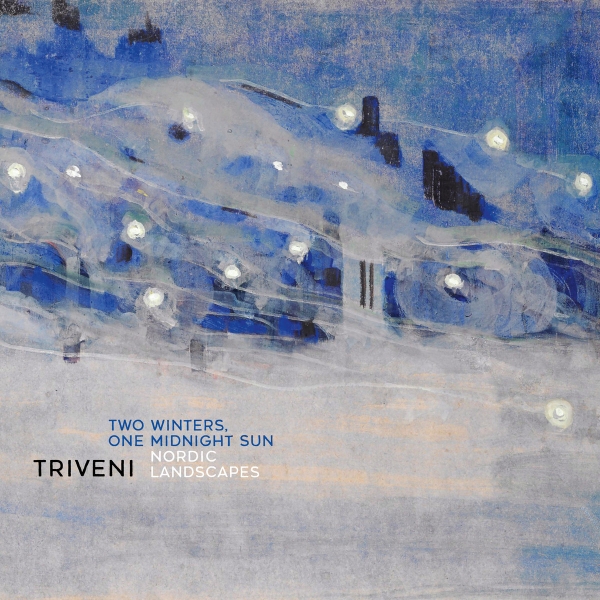
Discover Some New Nordic Folk With Me – Two Winters, One Midnight Sun

Several years ago, I experienced what I thought was a major depressive episode, but which turned out to be neurodivergent burnout. My nervous system was shattered, making any sort of stimulation unbearable. When I tried to listen to music, I’d physically recoil, like Nosferatu in a sunbeam, and need to turn it off.  

Almost overnight, creating and consuming art became impossible. I lost the ability to read, to write, to form coherent sentences. My world became so small it was like I barely existed. This deprivation made for the most terrifying time of my life.

I remember slamming my hands against my ears a few seconds into a Wardruna track. Warduna! A band whose live performance had left me sobbing and prompted the purchase of a one-way ticket to Norway.

When I was able to listen to music again, I tried to discover what I’d missed, but was quickly overwhelmed and returned to what was familiar. Curiosity is in my makeup though, and before too long, I was tentatively exploring the ever-rising ocean of musical releases.

It’s been difficult to accept that my capacity isn’t what it used to be, and I get easily frustrated by the sifting required to find something precious. Also, since burning out, it’s been more difficult to listen to music at times when I used to without issue. For instance, I often listened to music while writing, but nowadays mostly need silence. I’m still figuring out how to ‘be in the world’ as a late diagnosed neurodivergent, and what my capacity for everything, including music, looks like.

It’s usually right before going to bed, when I feel the urge to discover something new. Earlier this week, I put Nordic Folk into the Bandcamp search and opened new tab after new tab for promising projects, vowing each I’d give them my attention over the coming days.

But I needed quieter days than I’d thought this week. When I did listen to music, I found myself returning to Two Winters, One Midnight Sun by Triveni, a project of Belgian composer and accordionist Barbara Eva Ardenois. Listening to this shimmering soundscape unearthed from Bandcamp’s Nordic Folk hoard reunited me with something I hadn’t felt in ages – bliss.

In case anyone is wondering, at this moment in time, my three favourite tracks on the album are Call of the High Plains, Twilight and Sirkat.

On her Bandcamp page Ardenois writes: My journey through the Nordic countries began in the autumn of 2021. Over the following seasons, I lived and travelled across Sweden, Denmark, Finland and Norway, studying traditional music as part of the Nordic Master in Folk Music.

The sound of the kantele, the vast Nordic landscapes, and the stillness of nature left a lasting impression on me. Through dark winters and luminous summer nights, I shaped my musical world where light sparks as a symbol of hope.

In 2023, I created Triveni—named after the confluence of three rivers. In this project, I weave elements of Swedish shepherd music, Karelian kantele improvisations and contemporary classical music, gently blending field recordings and subtle electronics.

My Dreamy Folk Flow draws sonic landscapes for the quiet hours—when light returns or fades—welcoming you to slow down, connect and wonder.

This album is co-created with my two dear friends and fellow musicians, Ingrid Rodebjer (Sweden) and Hanna Ryynänen (Finland). Their improvisations and deep roots in traditional music bring new colours and atmospheric layers to these cross-cultural soundscapes. – Barbara Eva Ardenois
Ronja the Robber’s Daughter – The Enduring Spell of a Book Cover

“This is my forest. I know every stone and every root. No one can frighten me here.”

Ronja The Robber’s Daughter, Astrid Lindgren

Growing up, much of my time was spent in a centuries-old farmhouse in a moorland valley where my friend Annie lived. Outside her bedroom was a narrow landing, most of it taken up by a bookcase we’d need to shimmy past to get in and out. The shelves were so tightly packed, books would need to be prised free.

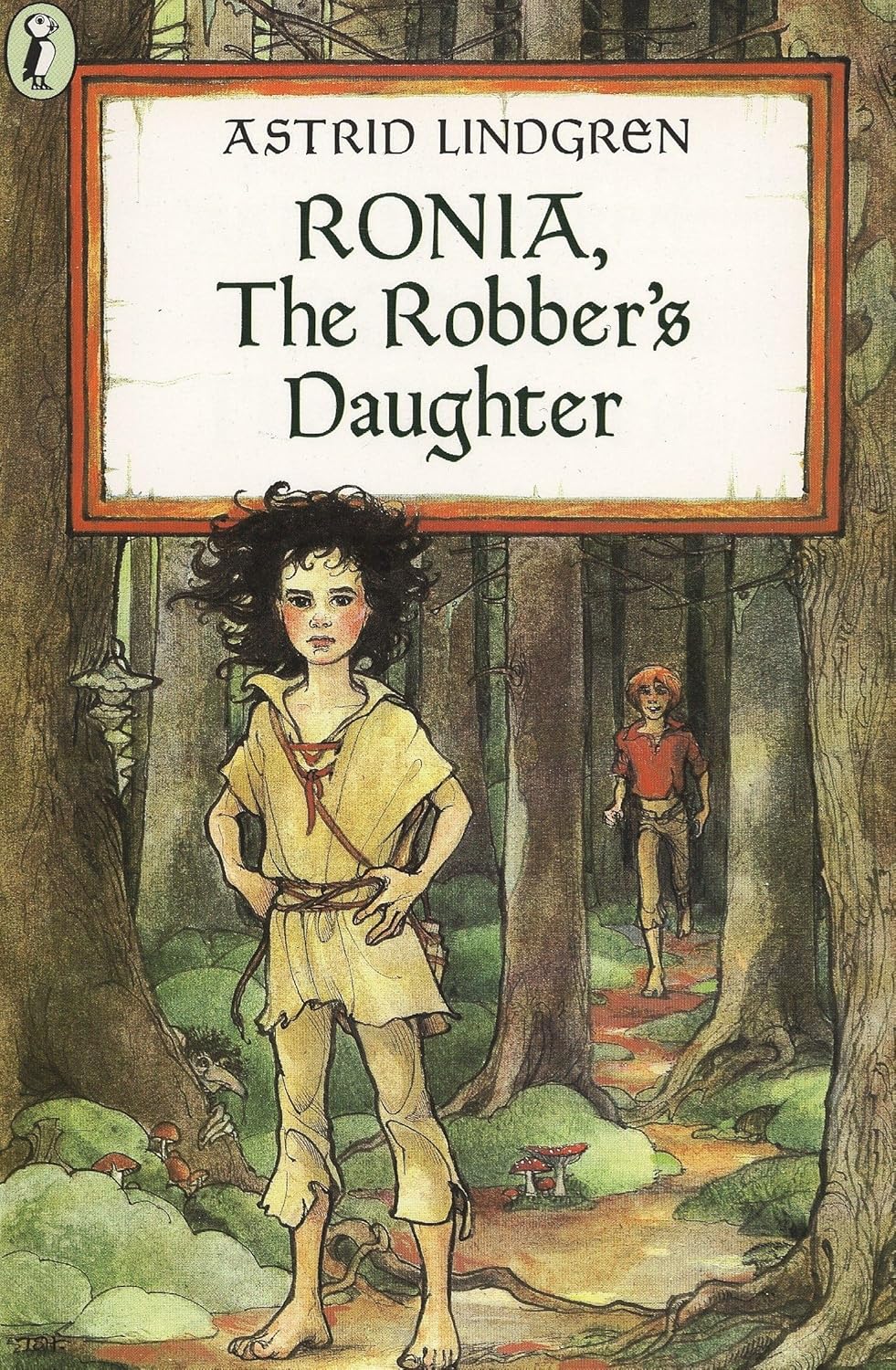
It was rare that I passed this bookcase without tugging out one book in particular – Ronja the Robber’s Daughter by Astrid Lindgren which had been read to my class at school. Usually, I wouldn’t even open the book, but just study the cover, especially the figure in the foreground: a wild-haired, barefooted Ronja, steadfast on a thin forest trail. Fearless and nature-led, she embodied everything I wanted to be.

For what was to be her final novel, (after Ronja, Lindgren shifted her focus to picture books) Lindgren drew inspiration from her densely forested home region of Småland, along with Thoreau’s Walden. City-based at the time, Lindgren ached for the forest and was inspired by Thoreau’s departure from society to lead a solitary, simple life in the woods.

Originally published in Sweden in 1981 as Ronja rövardotter and in English in 1983, the translated edition (unnecessarily) changed the spelling of Ronja to Ronia and featured a different cover by prolific children’s book illustrator Trina Schart Hyman.

I’ve always wondered why this cover had such a lasting impression, and I figure it may have something to do with Hyman’s art technique, which involved extensive layering. She began with a pencil drawing, then built layers using India ink and diluted acrylic. The result is a mesmeric, fabled atmosphere that enchants me to this day.

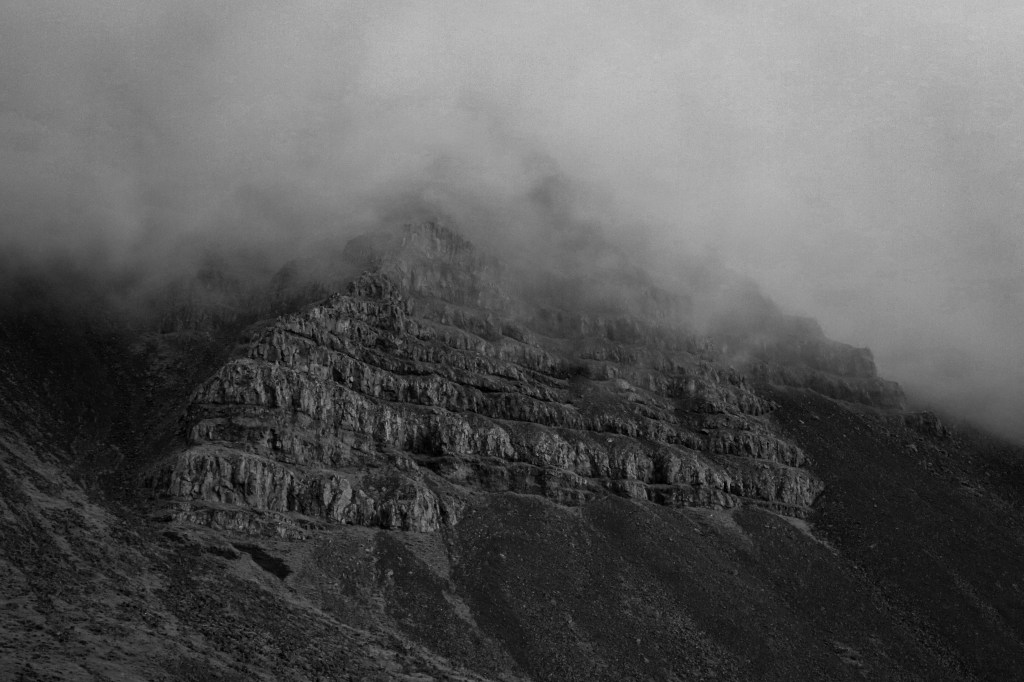
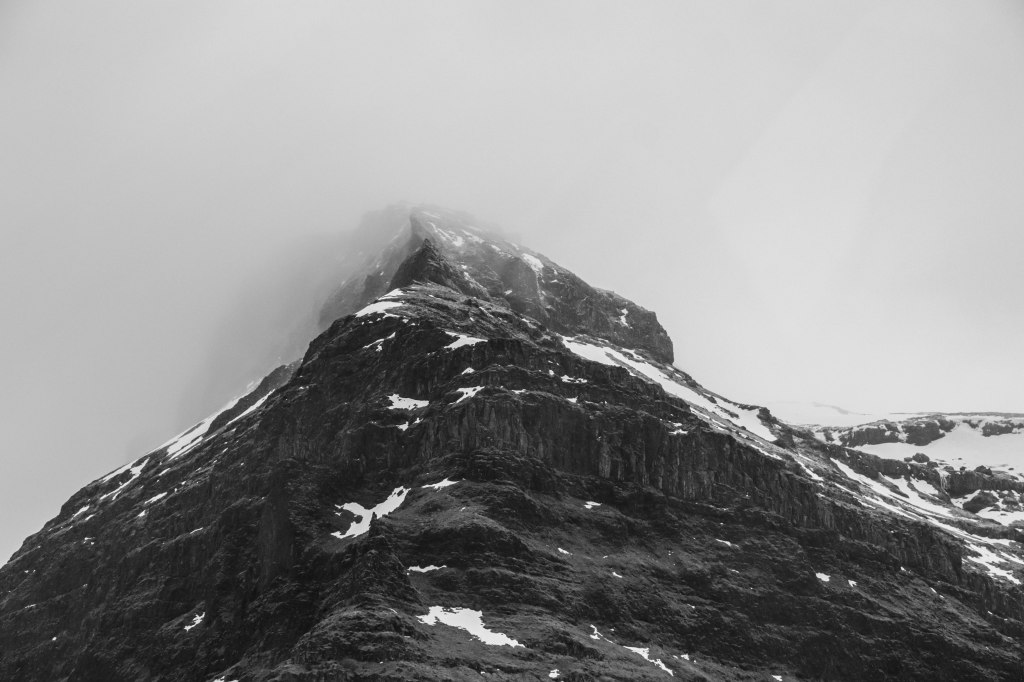
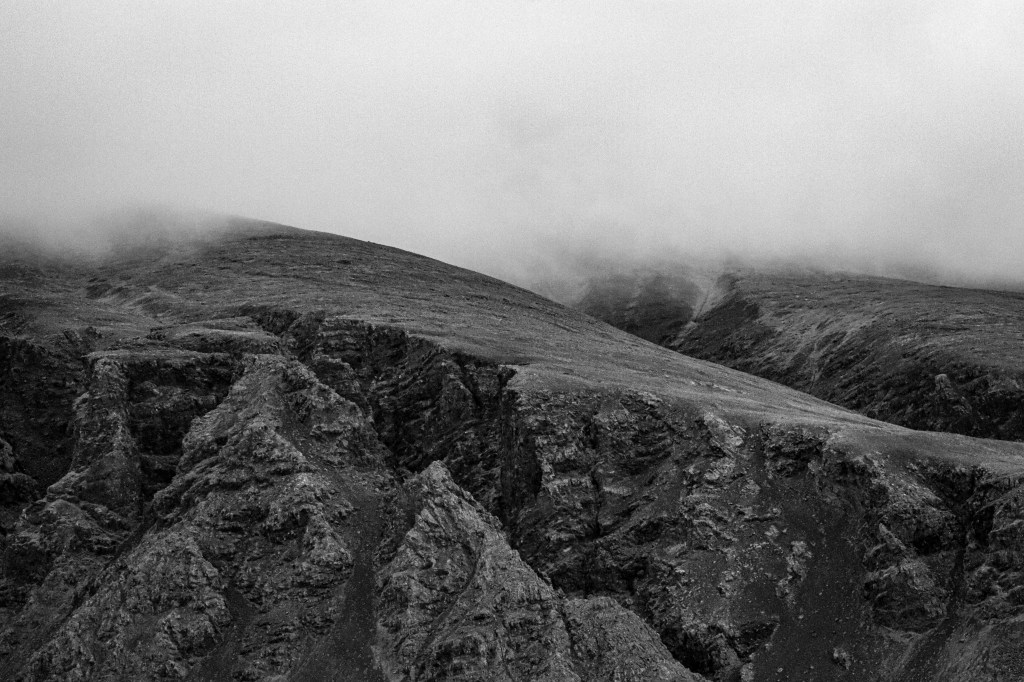
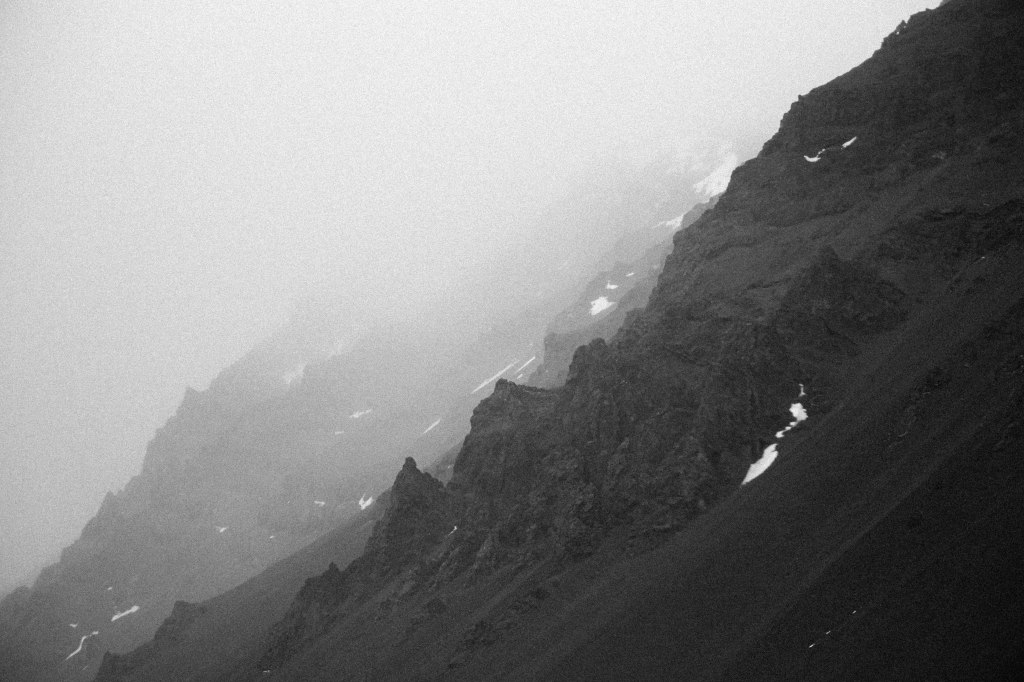
Misty Mountains – Photos Shot From The Road In Iceland

For a few years, I had a partner who lived in Akranes, a small port town about a forty-minute drive from Reykjavík. The construction of the Hvalfjörður Tunnel (at 70 million USD, this 5.770-kilometre subsea tunnel cost less than Kristi Noem’s ad campaign) reduced travel time by a hefty forty-five minutes when it was completed in 1998.

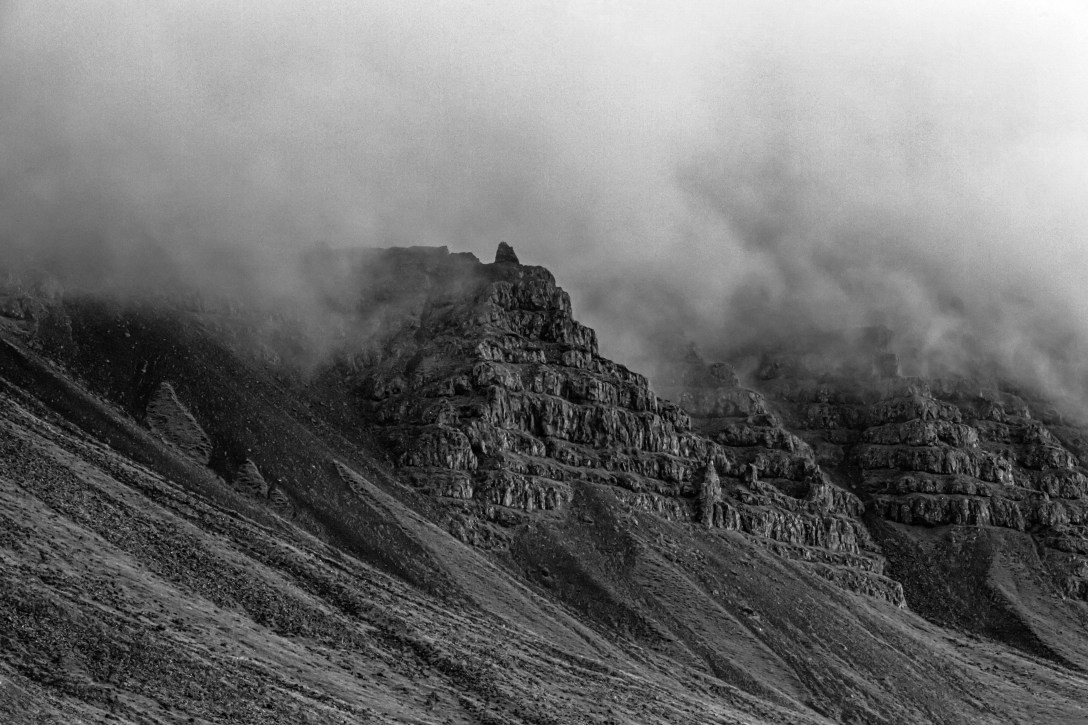
The road which we’d travel, sometimes multiple times a day, passes mountain ranges so epic, so worthy of worship, that I felt I was betraying the landscape itself by not summiting the peaks.

My favourite time to see the mountains was on misty days. ‘THE MOUNTAINS, THE MOUNTAINS! LOOK AT THE MIST IN THE MOUNTAINS!’ I’d yell at my partner, head whipping from the window to my partner back to the window again, aghast. ‘I can’t look, I’m driving,’ he’d patiently remind me. Abandoned by rationality, I’d forget he couldn’t appreciate the views like I, the fortunate passenger princess, could.

Oh, To Be In Moomin Valley – On Loving Snufkin

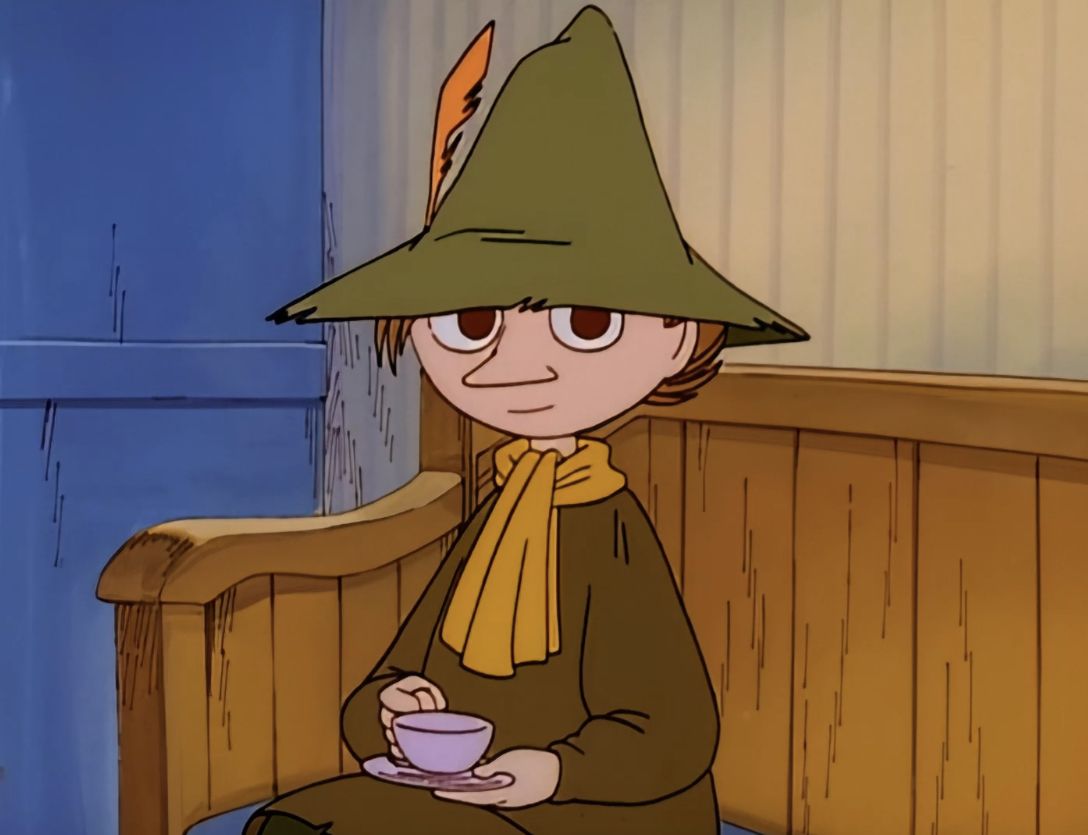
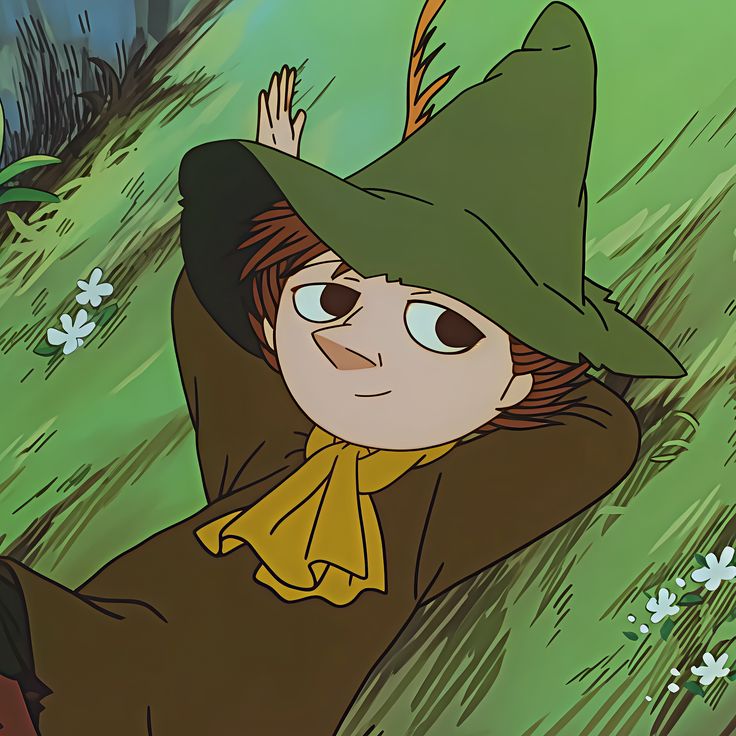
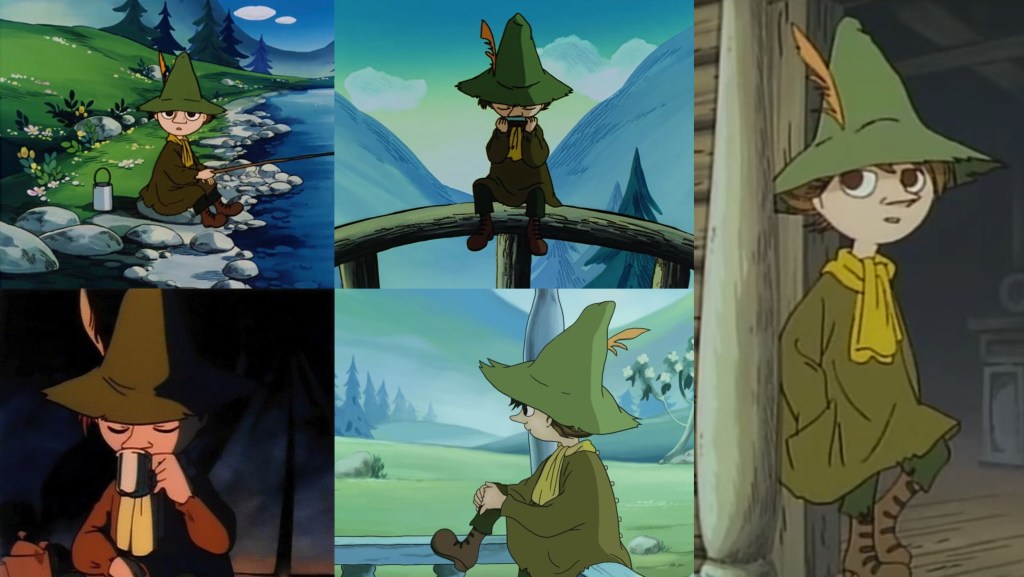
A core childhood memory for me is the ritual of watching Moomin before school, and it took only a couple of episodes before I found myself excited to see one character in particular – the smock-wearing, pipe-puffing, saucer-eyed Snufkin.

I was besotted with the handsome philosophical nomad and his zen demeanour, my little heart fluttering whenever a breeze ruffled his cartoon hair.  

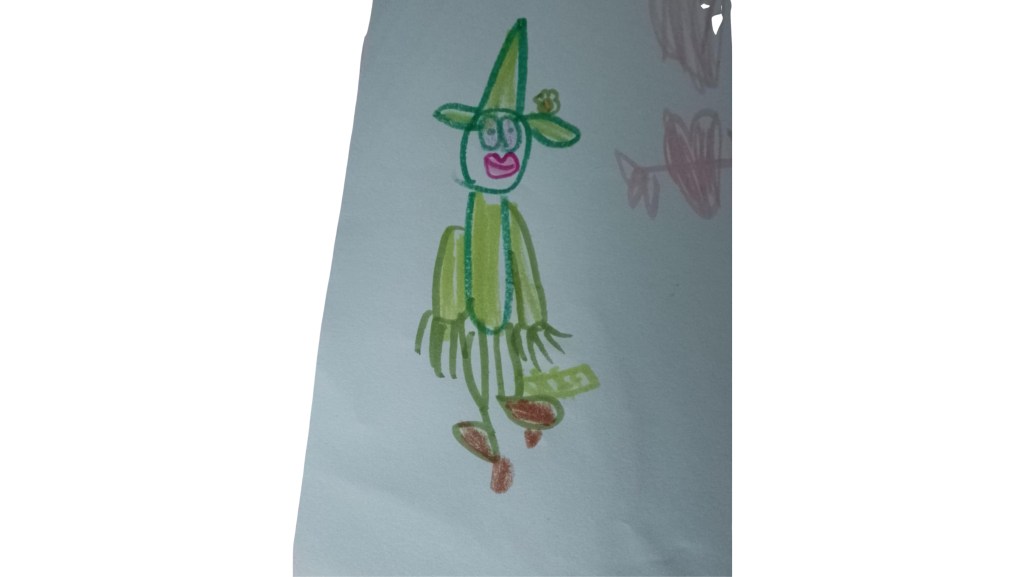
Over two decades later, Snufkin’s appeal hasn’t waned. I know, because I’m a mother to Saga, a seven-year-old who’s similarly smitten with his character. Saga was six when she looked at me shyly from underneath her hair, trying desperately not to break into an embarrassed smile. ‘I love him,’ she said with conviction. Her words had a familiar weight, but Saga’s infatuation went a bit further than mine did, as she went on to draw his portrait, complete with flute, something I’d never even considered doing.  

When, as a little girl, I found out that I wasn’t the only one who liked him, that to crush on Snufkin was actually a common experience, I was devastated! I felt the same devastation when I discovered I wasn’t the only one who fancied Atreyu from The Neverending Story and Madmartigan from Willow.

Now, as a grown adult woman, Snufkin is no longer my favourite character. His rank has been usurped by two characters in equal proportion: Snufkin’s sister Little My (a character I loathed as a child but can now wholly relate to) and the Groke, whom I also, in ways, relate to. Saga remains devoted to Snufkin, though it looks like he might soon be demoted by the more mysterious Hattifatteners.

Out of curiosity, I looked on Reddit to see what people said about Snufkin’s appeal. On a thread called ‘Why does everyone have a crush on Snufkin?’ the commenter Bunnything wrote: ‘He’s chill and a good listener and generally has a mature understanding of who he is and what he wants.’ Moneymilk69 simply wrote: ‘Oh, to be in Moominvalley.

I suspect most of us, whether we once fancied Snufkin or not, have thought the same.

The Forest I’ve Carried Since Childhood: Reflections On Elsa Beskow’s Children Of The Forest

Just now, holding a book gifted to my brothers at their christening in 1997, I found myself unexpectedly weepy.

Children of the Forest was one of several Elsa Beskow books my (lucky) brothers received. To finally have Beskow stories in our home was, for me, astonishing. These sumptuous picture books weren’t something we’d been able to afford. I’d need to leaf through them at school (Beskow herself had a liberal upbringing in a progressive family and is one of the keystone authors in early-years Waldorf schooling) or at a friend’s house whose bookcase was rainbowed with the instantly recognisable colourful cloth spines and gold foil lettering.

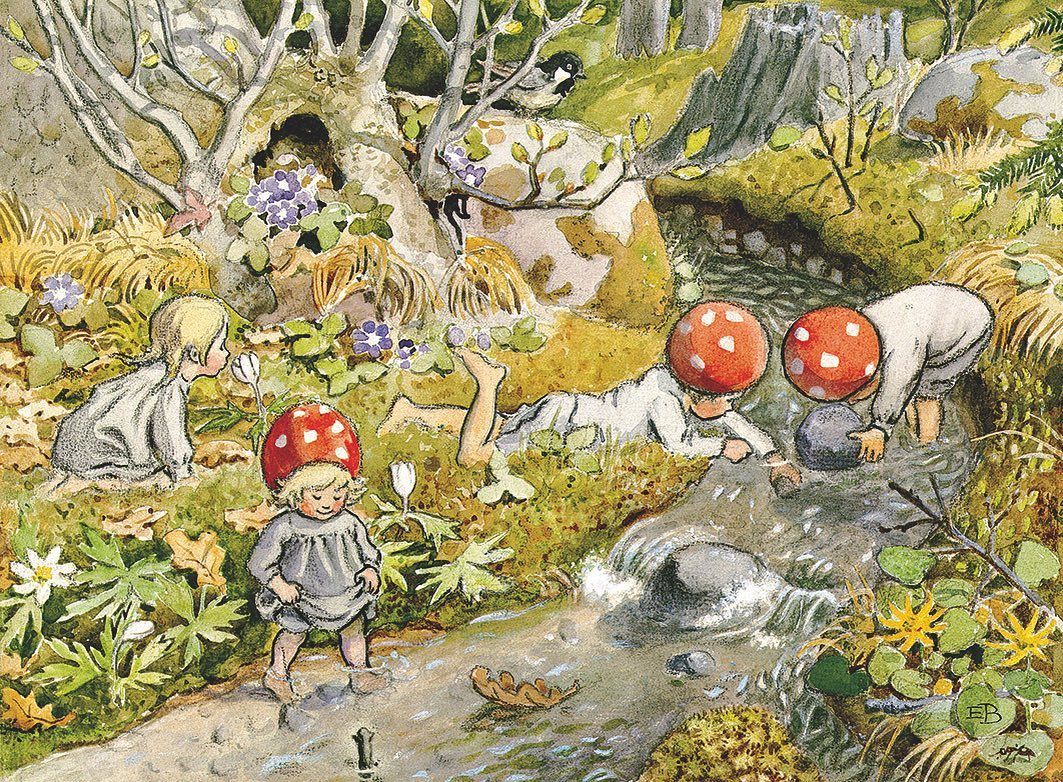
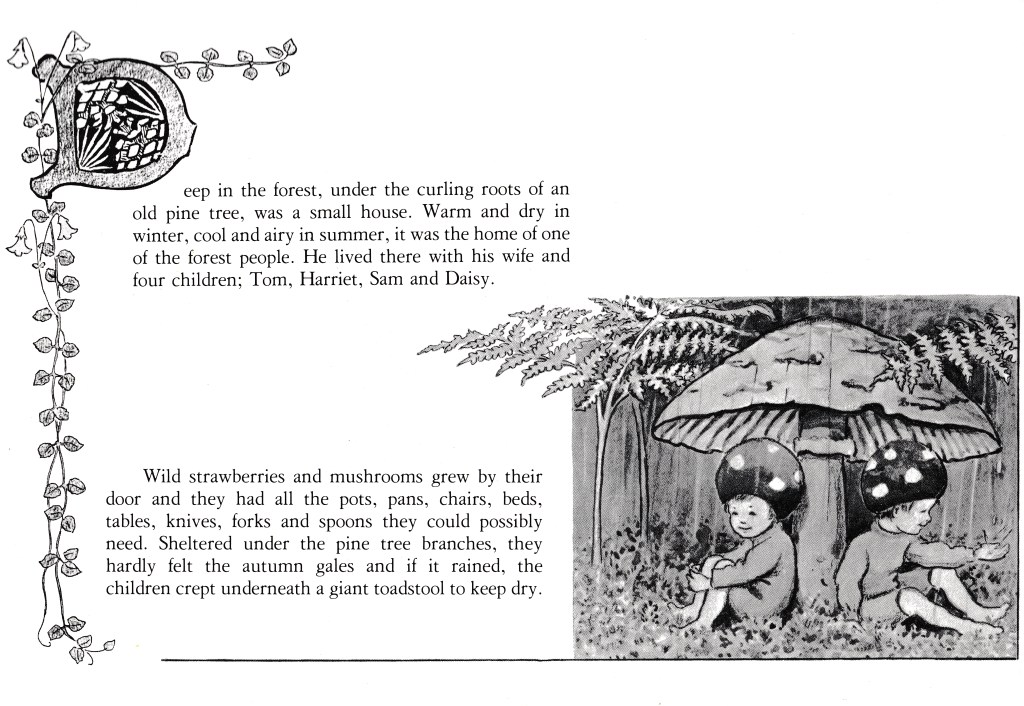
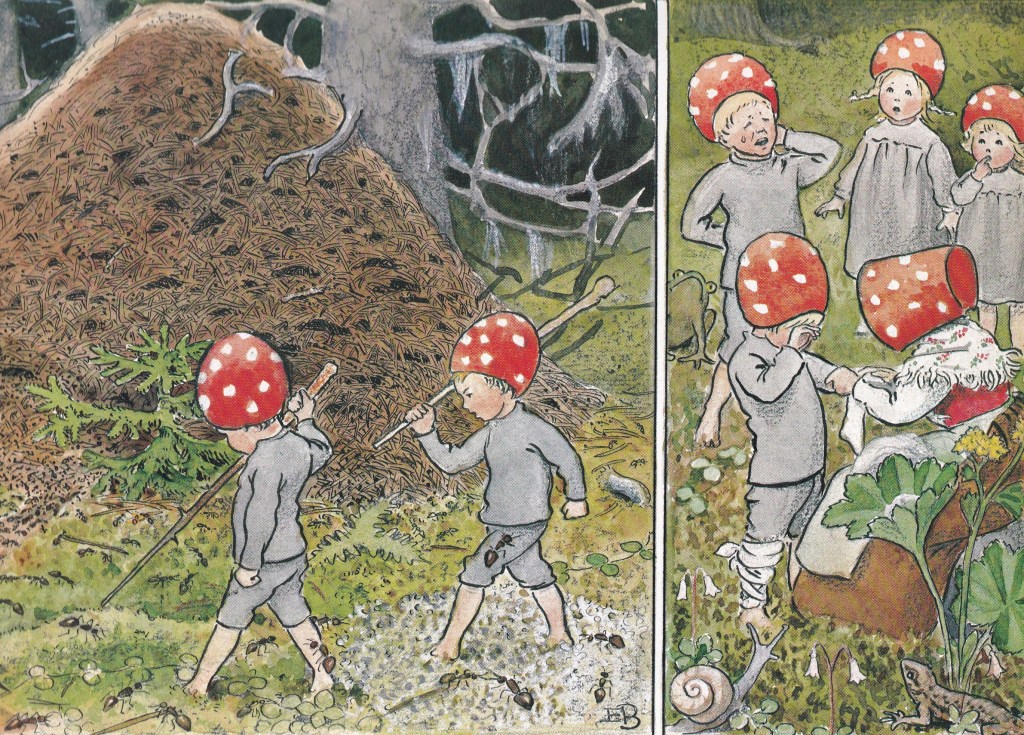
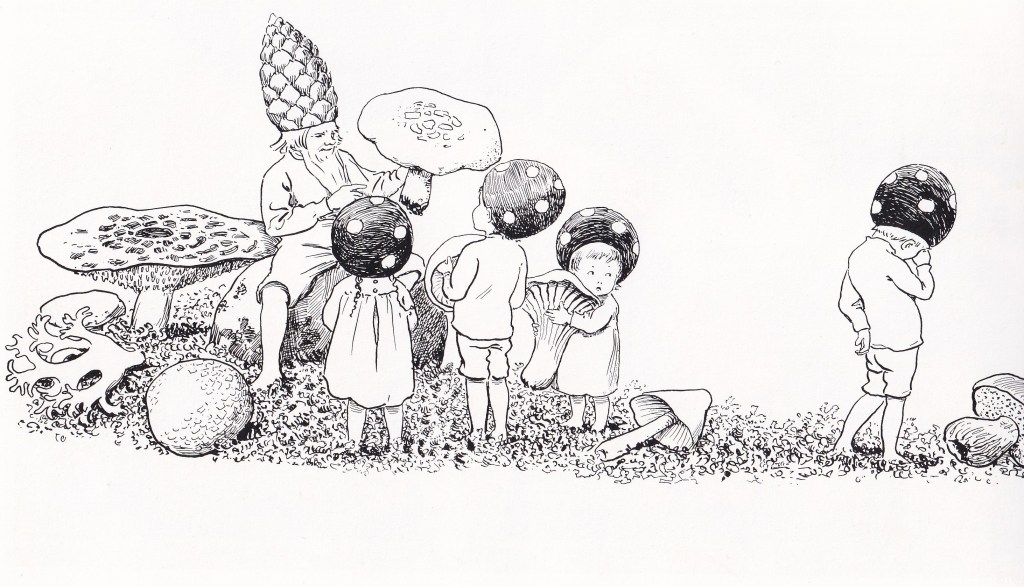
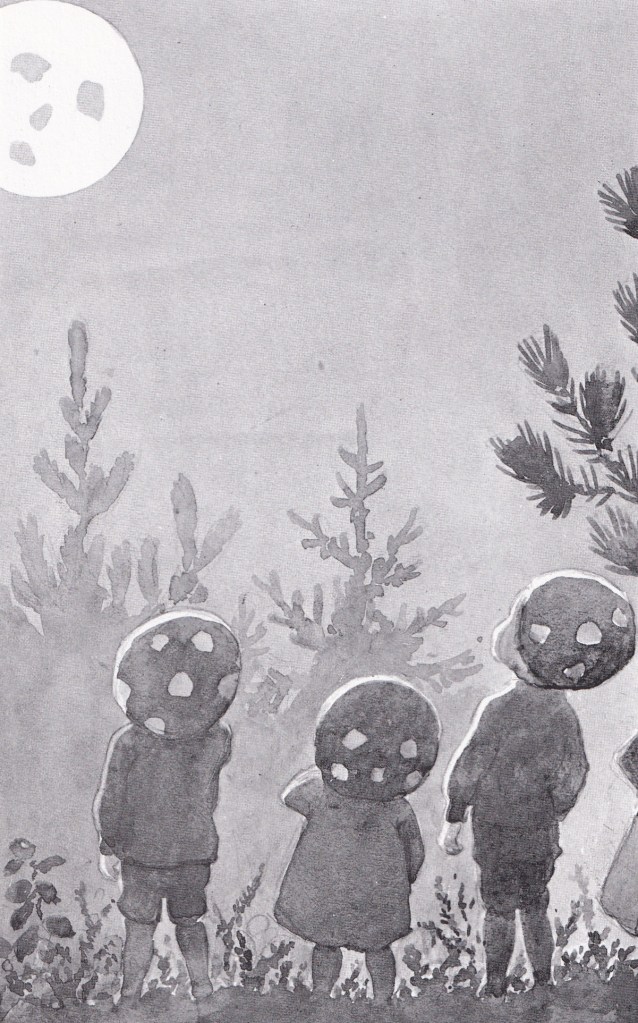
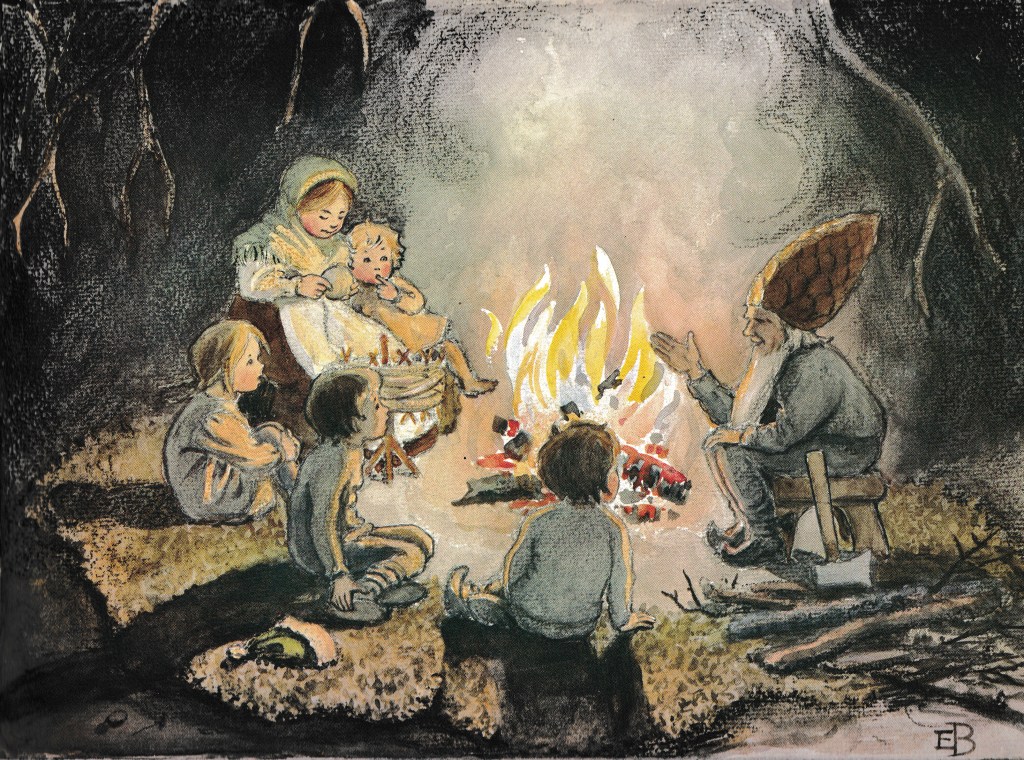
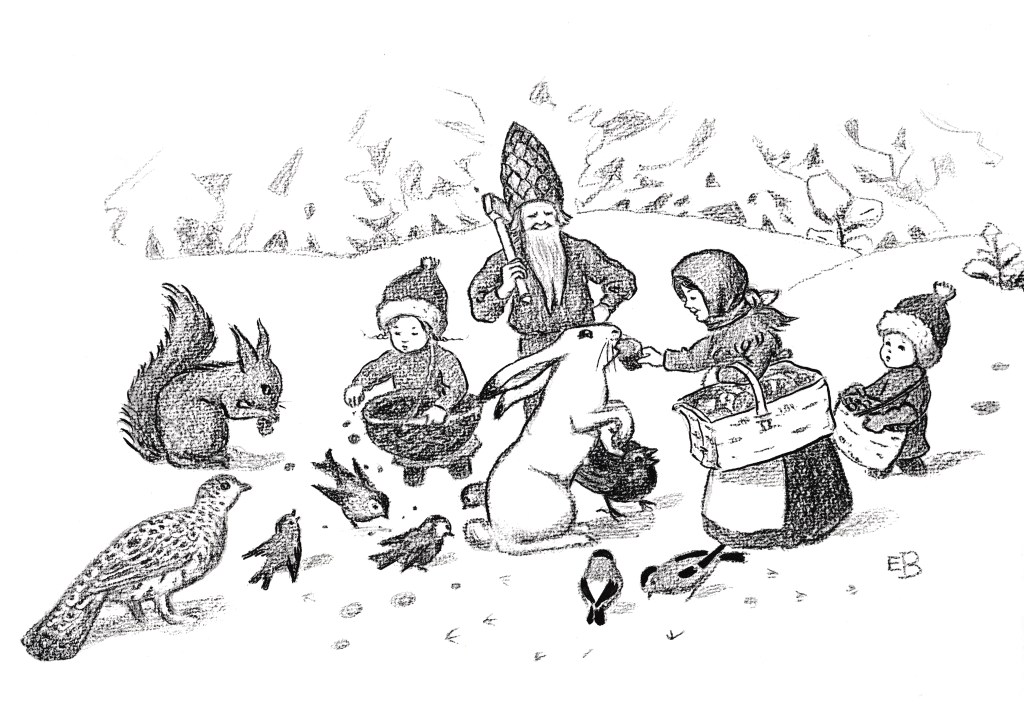
First published in Swedish under the title Tomtebobarnen in 1910 and in English in 1982, Children of the Forest follows the enviable escapades of four mushroom-hatted siblings gamboling through the seasons.

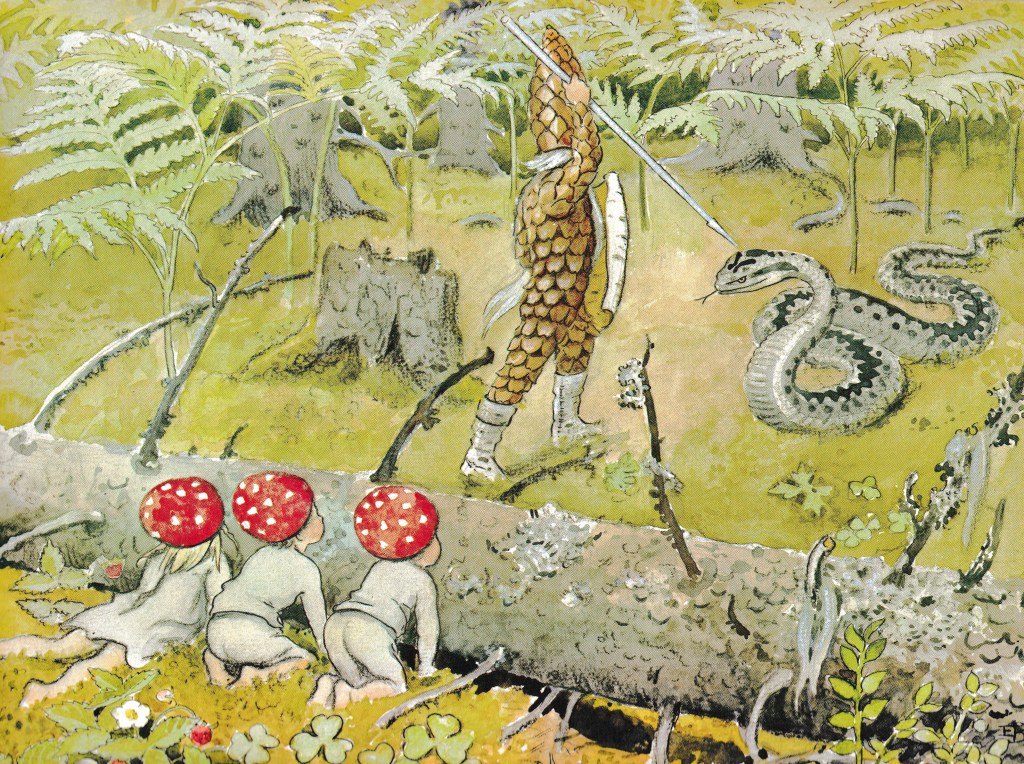
There’s a gentleness to the story, but every page has something to teach and hardships aren’t glossed over; their father, decked in a pine-coat suit with a birch-bark shield, kills Vara the viper (a hedgehog offers to take the body), one boy angers his father by playing with an apple pip instead of learning to recognise mushrooms, and the two brothers end up bitten by ants after poking their nest with hawthorn spears, modelled on the one that killed the snake. “Silly boys,” said their mother, as she put dock leaf ointment on their stings. “Never hurt the creatures of the forest, unless they mean you harm.”

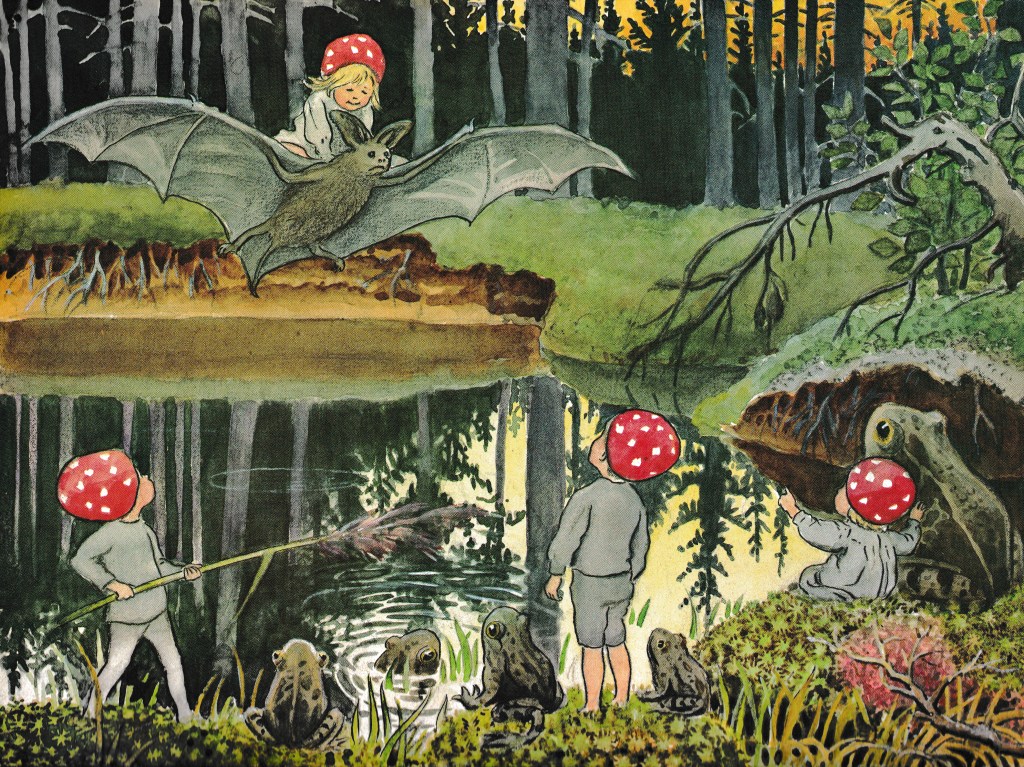
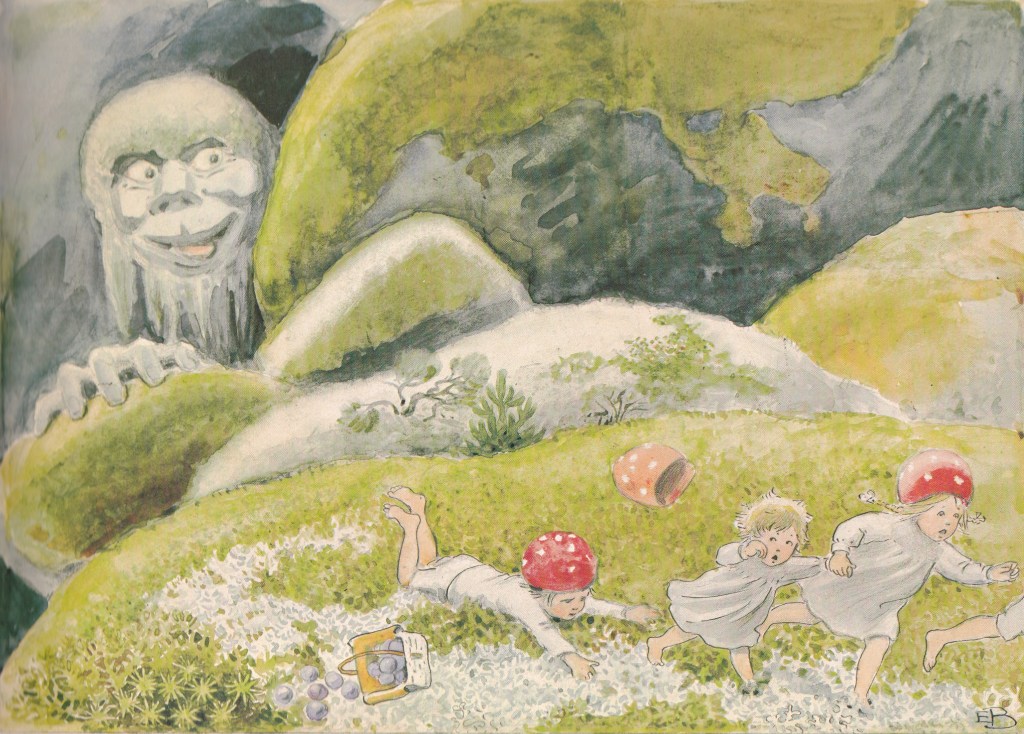
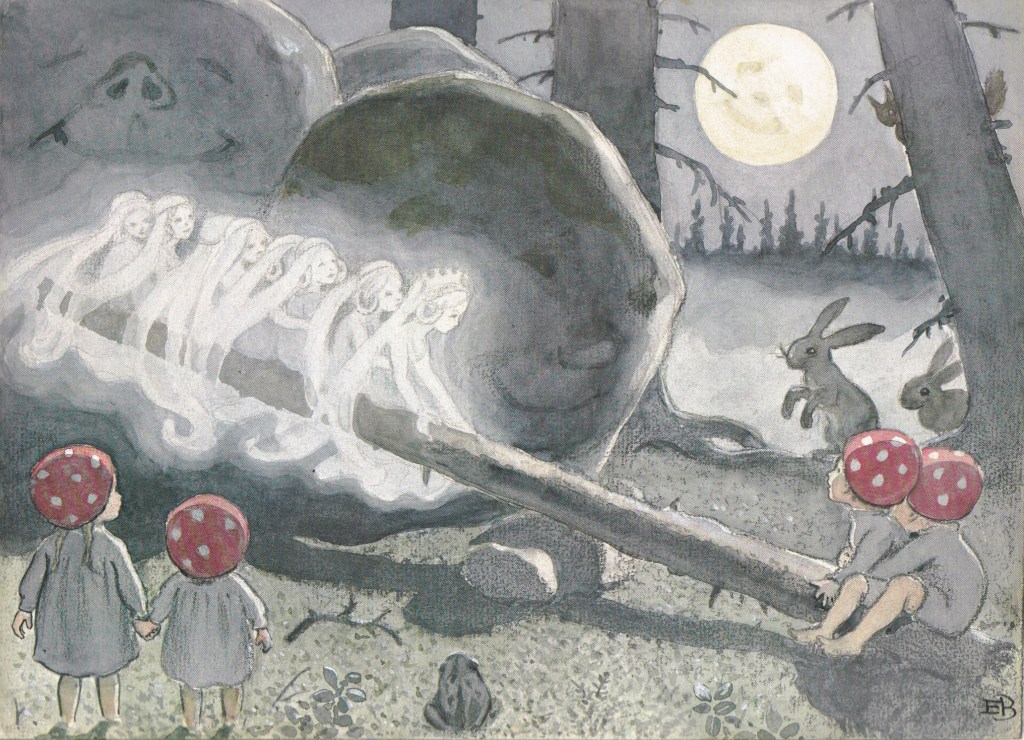
When they’re not wondering where to bury a snake, nursing ant bites or being scolded for not paying attention, the children ride bats, play games with elusive, ‘light as thistledown’ forest fairies, and harvest berries to store for winter, encountering a forest troll when they do because, well, this is Sweden, after all.

The reasons I would constantly reach for these stories as a child are multilayered. I wanted to live under the roots of an old pine, of course, but they also gifted a serene escape from the chaos of growing up in a family of six.

Children of the Forest and every other Beskow story I read instilled in me, a sensitive child who knew she was different but didn’t know why, a profound calm and a sense there was somewhere I could belong. Looking back, I knew as a child what I needed to feel well in the world. Before we moved from the rural village I’d grown up in and from Waldorf education to a town and a state school, I had an impending sense of doom. I knew I wouldn’t cope, and spoiler, I didn’t.

I recall my first Swedish summer, picking blueberries in Värmland, the relief of finally reaching the forests of Beskow’s books. Afterwards, I volunteered to sort the berries before bagging them to freeze for winter. I’d love to meet someone who also finds scattering, scanning and sorting bucket after bucket of blueberries a meditative pleasure.

I felt weepy holding Children of the Forest because I’m nostalgic, but also because I knew from the beginning what I needed to be well. Even as a child, I was already orientating myself towards a slow, seasonal life in the north.