I am so, so thrilled to be bringing this interview to you today. Anita Arora of the jewellery and leather accessories brand SIGIL has been a friend of mine for several years, and I’ve been watching in awe as she has built her business up. In the circles I move in, it’s rare to encounter someone who hasn’t heard of Anita and the northern magic she creates. So, without further ado, let’s jump in…
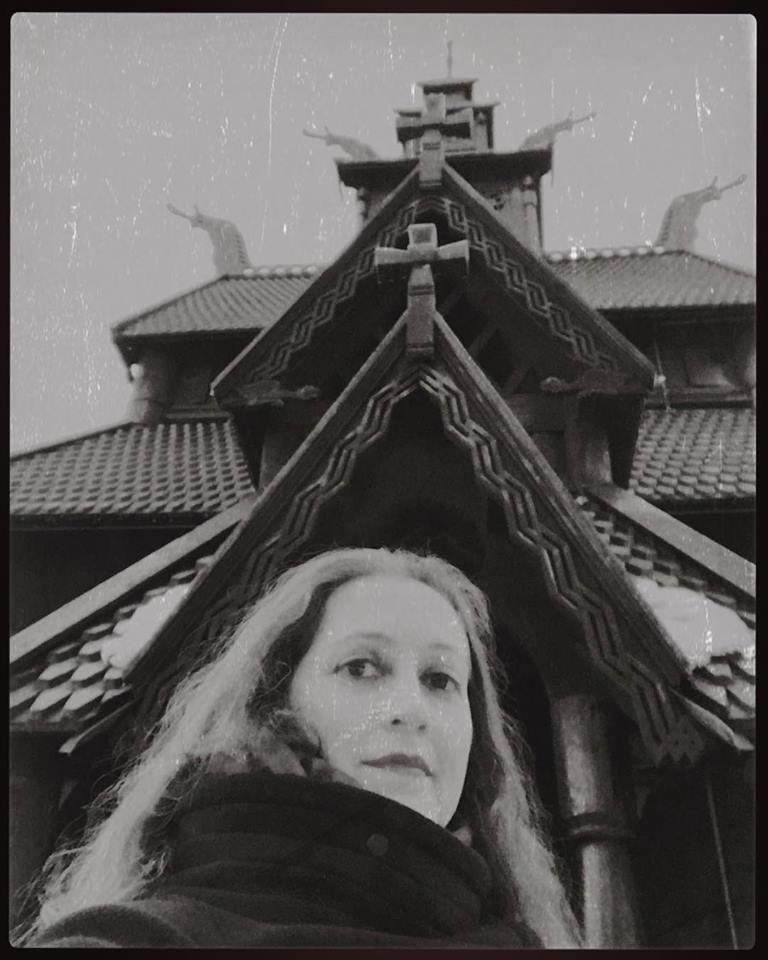
Hello Anita! For MostNorthern’s readers, would you mind talking a little bit about yourself and your Nordic inspired jewellery and accessories line SIGIL?
Hi Katie! Thank you so much for having me on MostNorthern! I am a native Londoner, born and raised by Finnish and Indian-born parents. Our family immigrated to the United States during my childhood, but eventually returned to the UK. I opted to return in my late-twenties first to NYC, then westward to Seattle! I was lured by the mountains, ocean and lush rainforest, which I feel so fortunate to live close to.
The rugged nature is truly my muse, whether it’s in the Pacific Northwest USA or the Nordic regions and the Arctic, both of which have a strong calling and influence on my brand, SIGIL. The stark, rugged regions of the globe have always called to me, and it wasn’t until my mid-twenties that I explored this siren song.
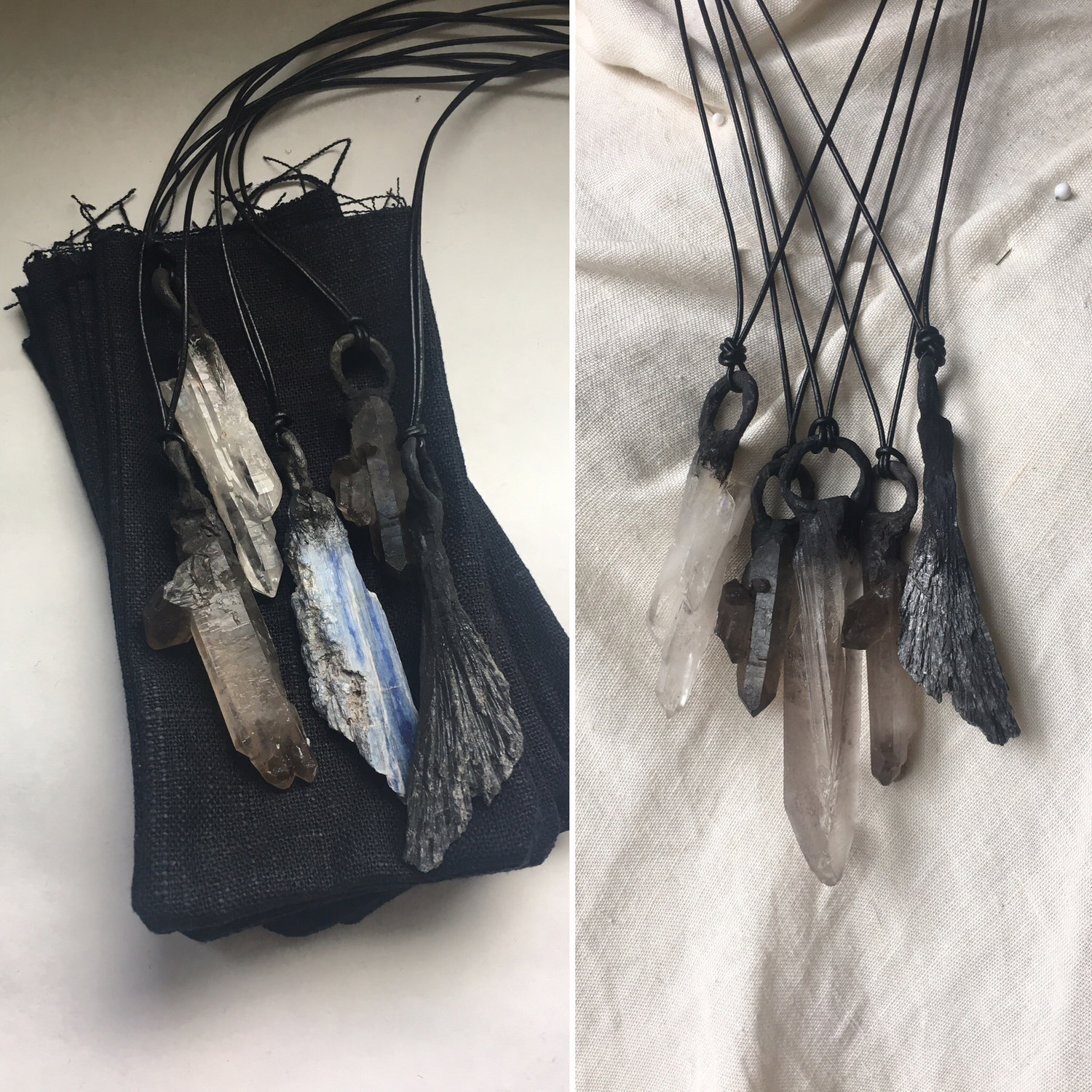
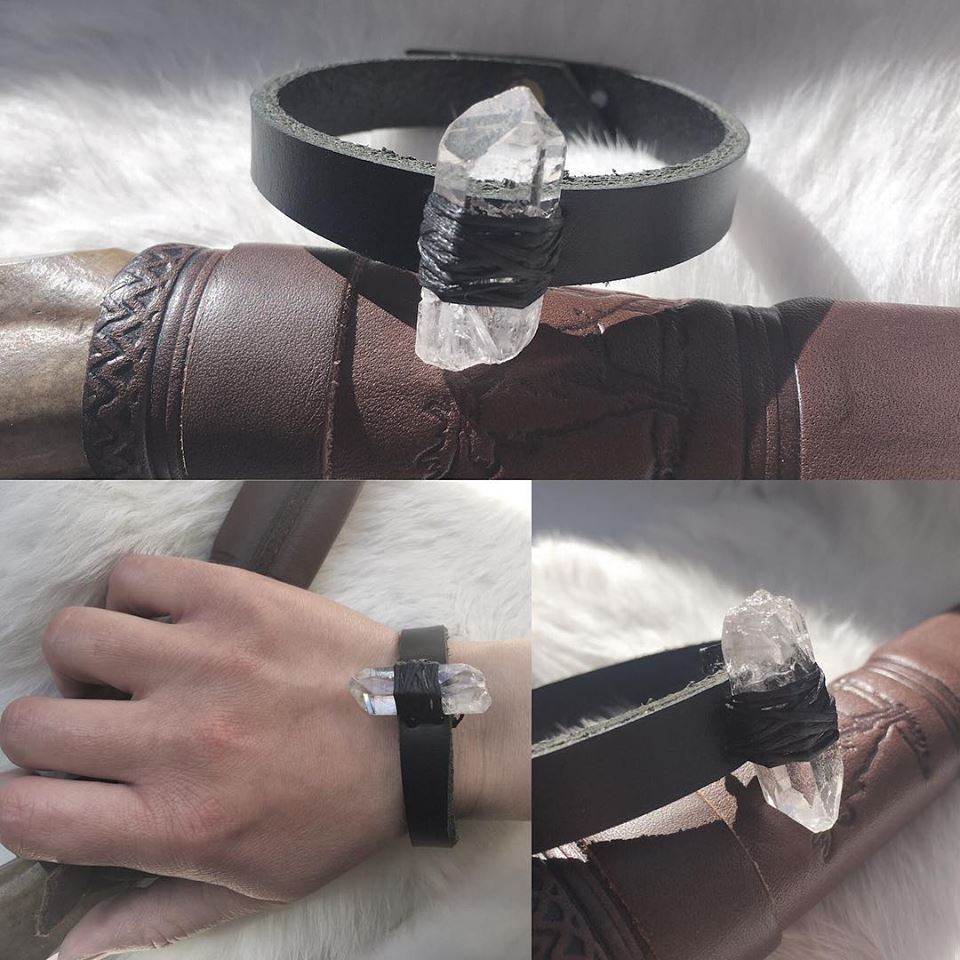
When I look back at my journey to now, I feel like all roads lead to SIGIL, in terms of what I’m creating, what my inspiration is, and how I work. For those new to my brand, through SIGIL I create unique leather bags, accessories, and raw mineral jewelry inspired by the windswept landscapes of Iceland and Greenland. My jewelry, even though it has become the primary focus in my product line, is a newer addition to the brand. In line with the journey of growing this brand by taking on new skills, the jewelry fits in very well and is a great accompaniment to my leatherwork.
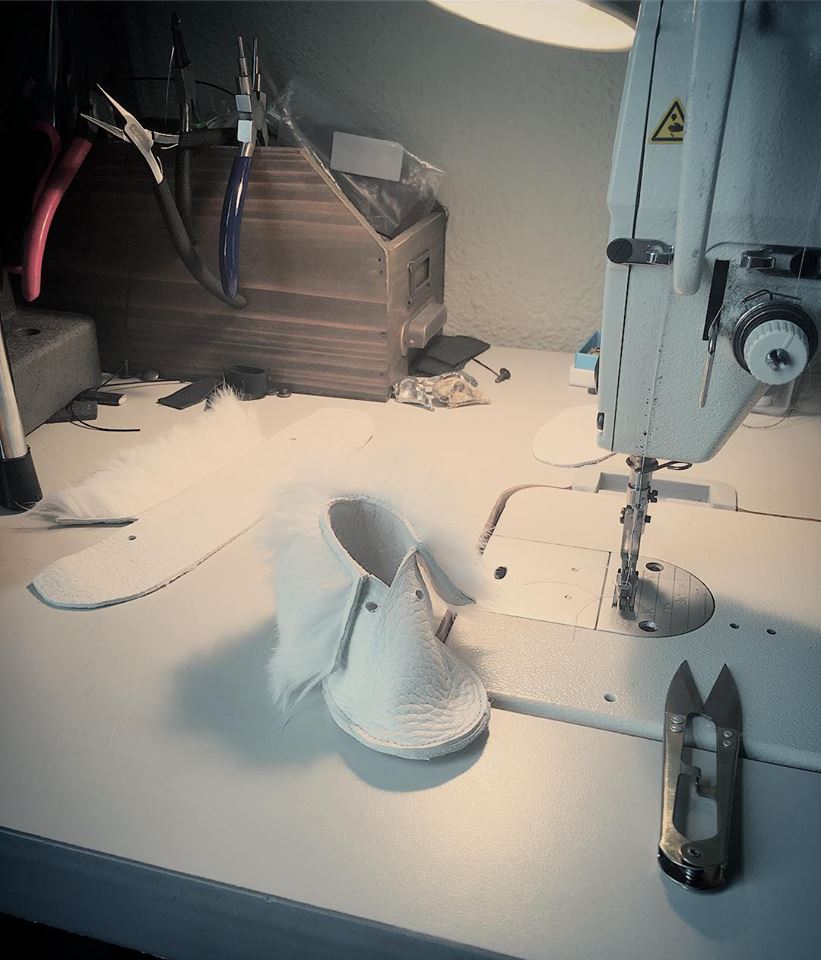
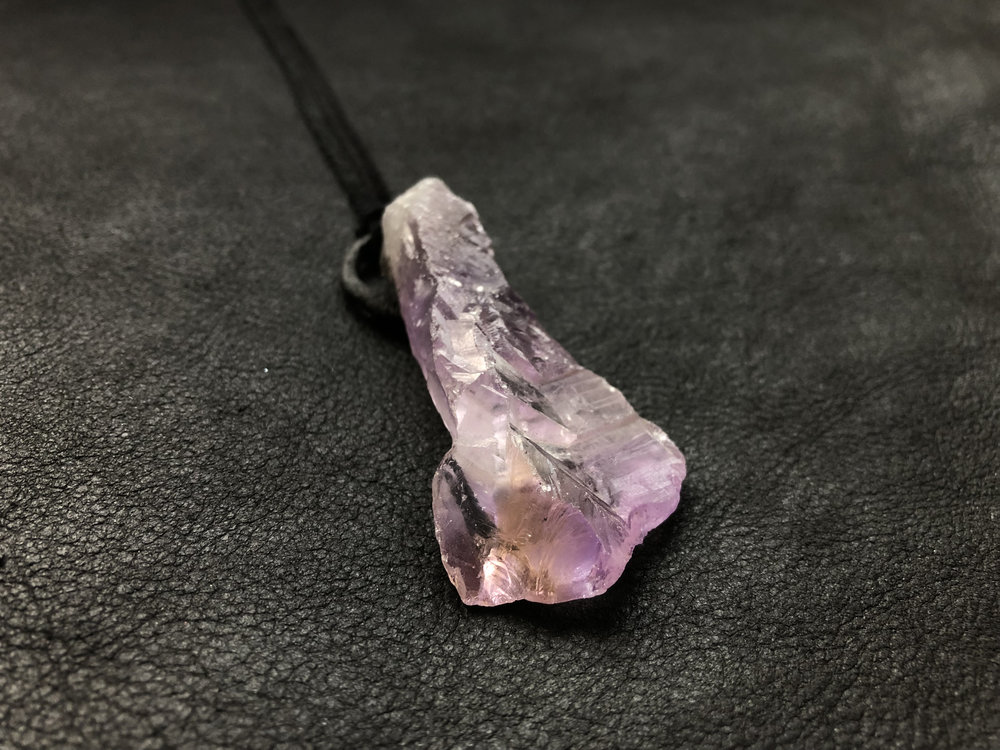
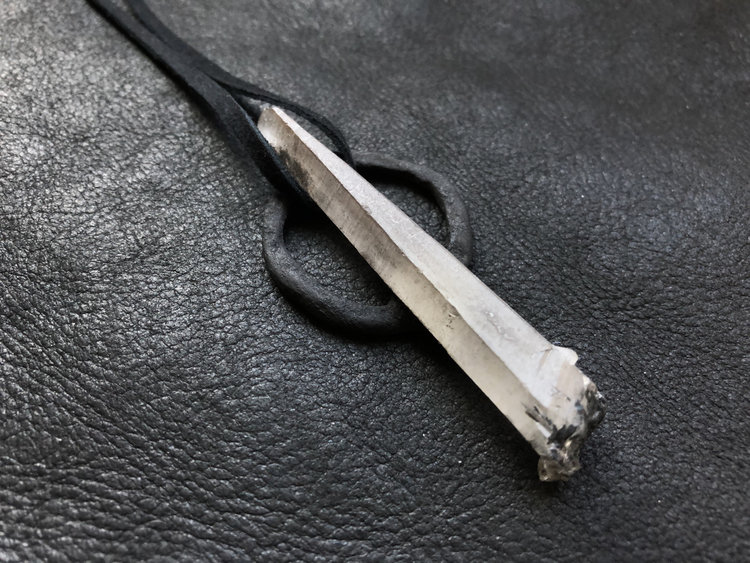
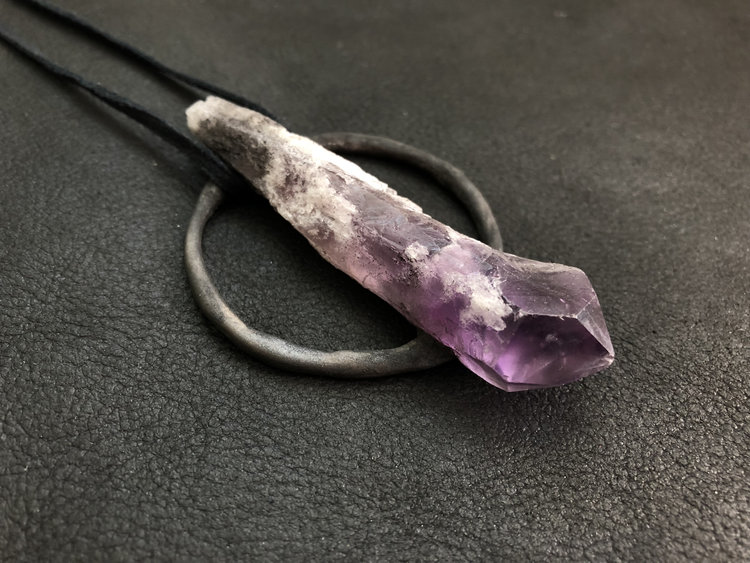
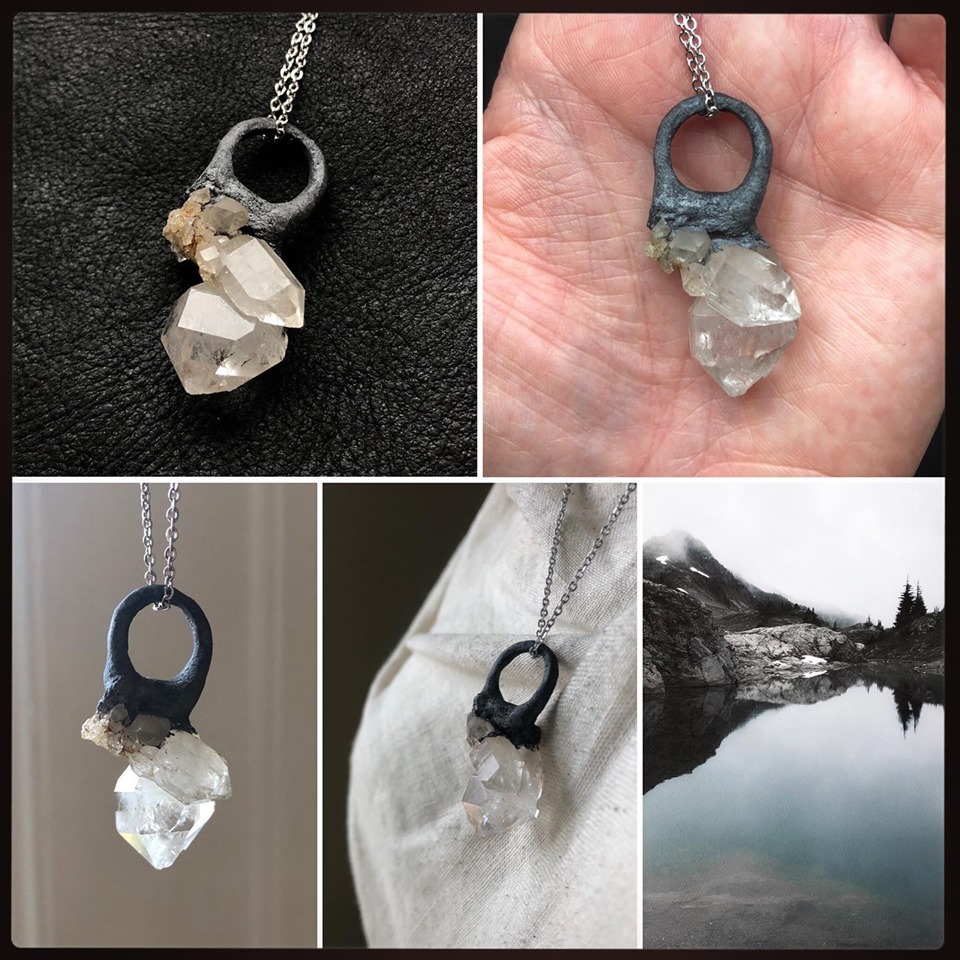
What I think makes my jewelry style unique is how I focus it. Utilizing raw, natural crystals and minerals that are truly one-of-a-kind, I create one-off pendants that are intended to resemble the wild, rugged coastlines and terrain of many of the remote regions on the globe that have inspired me my entire life. When I decided to incorporate them into the brand, it was in response to the pure engineering I was sometimes experiencing sewing non-stop on my industrial sewing machine. I wanted something more fluid, less rigid than the square edges of bags. Through this need, I created a sculpting technique that I now use as my signature jewelry style.

I’m enormously intrigued by your brand logo. What was the thought behind its design?
The SIGIL logo was as you may have guessed it, my new personal sigil that I developed at the time I launched my graduate collection and the brand name just stuck. As my final line was intended to reflect outwardly our inner spirit, and to capture our true essence, visually, I thought it would only be right to create the SIGIL brand logo by reflecting my own internal spirit.
I achieved this through channelling the masculine/feminine divine; my deep respect and passion for the great outdoors; both my Nordic and Indian roots; and my love for discovery, growth, and travel. What resulted must have been a direct reflection of my subconscious at work! I have been told the SIGIL logo resembles to many a “compass” which makes me so happy. I’d like to think, that through focusing on the things that we value the most, we “come home” to ourselves and discover our true essence.
We’ve actually been in contact for several years, and in that time I’ve watched in constant awe as your one-woman-business has grown from strength to strength. Can you please take us back to SIGIL’s humble beginnings and talk us through how you arrived at where you are today – running a business that enables you to explore your deepest passions on a full-time basis?
SIGIL was started back in 2014 when I returned to college to study Apparel Design, here in Seattle. I was designing my final line graduate collection, and really wanted to create something true to my roots and passion – the Arctic and time-honoured, natural fabrics/hides. SIGIL was born as an outward representation of ones’ inner intent though this collection of womens’ outerwear clothing consisting of leather, wool and silk.
Having grown up visiting family in Finland all my life, I infused a dose of Nordic minimalism along with the very avant-garde “hunter” look. After graduation, I worked in the apparel industry for 3 years, while slowly growing and evolving SIGIL in its more familiar and recognizable leather bag & accessories brand.
During college, I had the amazing opportunity to study old world leatherworking techniques with designer Aykut Ozen, who I’m eternally grateful to. This valuable experience allowed me to infuse leatherwork into my bag designs and find my feet, and brand voice. After losing my job quite suddenly in 2017, I decided that was the time to launch SIGIL full-time. During this time, I had toyed with the idea of incorporating jewelry into the brand, and learned a technique that stayed true to the raw, Nordic feel of the entire product line.

Iceland is one Nordic country that has assisted you enormously in flourishing as a creative, a businesswoman and a human being. It’s been such a joy to observe you reap so much personal happiness and artistic stimulation from the land of fire and ice. Can you tell us about your impressions of Iceland and why it has had such an enormous impact on you and your work?
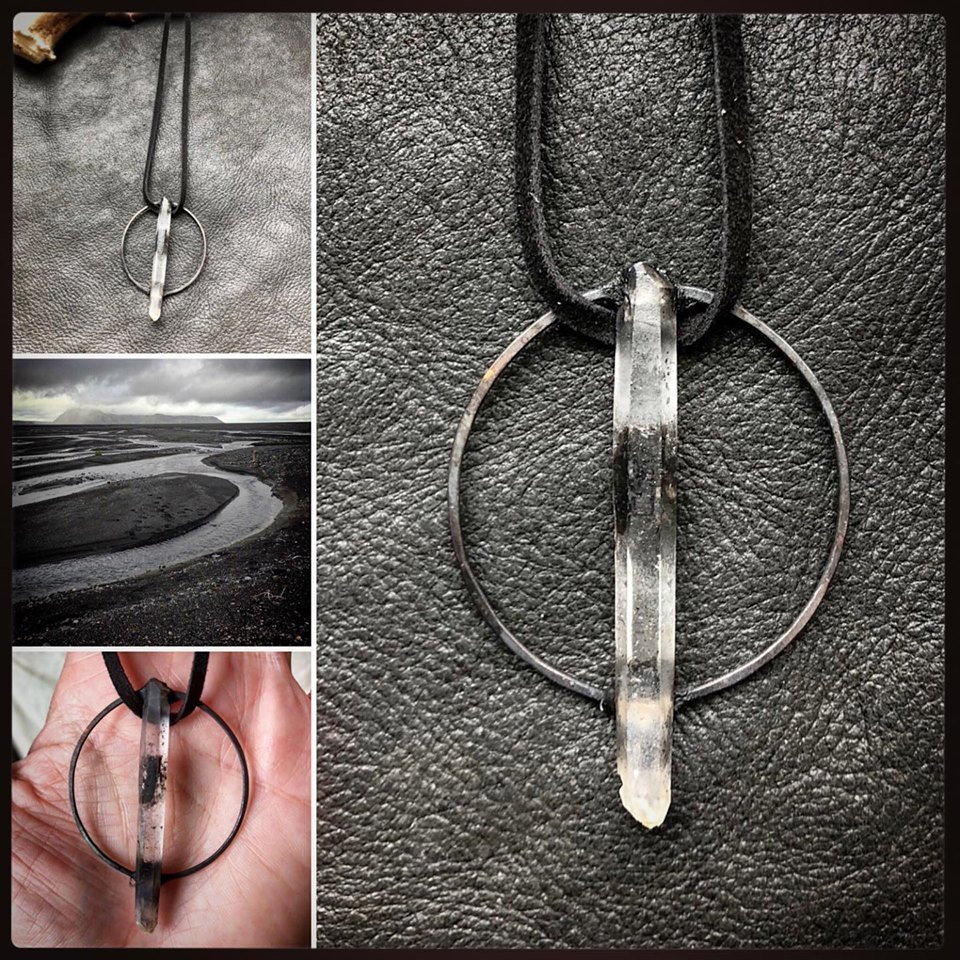
Iceland, simply put, is a breathtakingly dark, mystical, inspiring land that will change how you see the world, life, and yourself. I say this with the stark awareness that I may only speak for myself, yet the personal impact of nature on this scale is hard to ignore for most. Rarely do we witness such raw beauty to this physical scale in our daily lives. I was unprepared for how deep an impression it would have on me, and how profound a connection I would ultimately forge with its landscape.
After returning from 10 days encircling the island, and witnessing its natural diversity, I knew its impact would stay with me personally, yet also professionally. There was something in the dark, mysterious landscape that spoke to me as a designer. The impression of elemental grandeur immediately left its mark on my imagination, which was – and still is – my largest sourcebook for SIGIL design work. This is where Iceland and SIGIL were instantly connected.
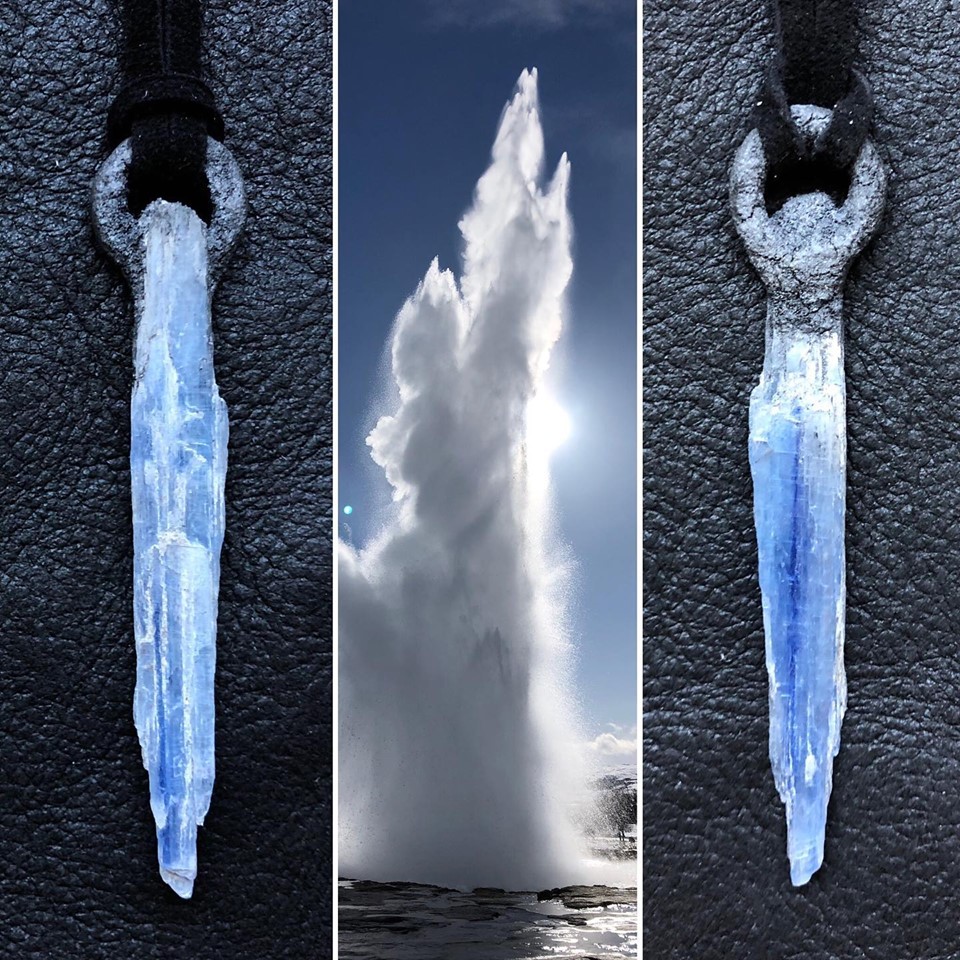
To expand on this a little more, try to imagine this: You’re standing beside a pristine lagoon on the Southeast corner of the island. Past you lazily floats a glowing blue glacier, the size of a building, that has “calved” from Vatnajökull, the island’s largest glacier by volume. That night, after soaking in a natural geothermal pool, you witness the Northern Lights for the first time. You have never seen light play like this, on the blue ice, and in the night sky, and you can only imagine what early settlers would attribute this to.
After I began producing SIGIL jewelry is when I truly found a place for Iceland in my work on a piece-by-piece basis that grew into the brand as a whole. I gravitate toward out-of-the-ordinary minerals, like kyanite and fluorite, and uniquely shaped crystals, as a rule. This, to me, mimics Iceland’s rugged landscape and physical attractions, such as those I’d visited on my now yearly trips. This is really where the lightning struck and the Iceland influence was forged.

You’re easily one of the most prolific creatives and business owners that I know of, and I’m eager to learn about your working routine! Would you mind talking us through a working day and revealing what aids your productivity when you’re working?
Thank you so much! After I turned SIGIL into my full-time business in 2017, it easily took me an entire year to figure out what routine best worked for me. You have to keep trying new methods, and see what fits best for you and be flexible as your business grows. These days, I wake up around 9:30 a.m. and brew some coffee. My studio is in my home, so it took some time sticking to a schedule! I can’t stress how important this is for productivity.
Once I’m up and caffeinated, I immediately slip into production mode, taking advantage of my best energy levels, despite not being a morning person. Before noon, I generally create new SIGIL jewelry pieces, as the morning light in my studio is perfect at this time. I try to do all my work in natural daylight, and my administrative or computer work in the evenings.
When I’m working with leather hides, I switch to the westernmost part of the studio around 1 p.m., where the stronger afternoon light allows me to best examine the hides, and look for any natural imperfections to work around. Natural light really is my best tool when working on any SIGIL pieces, and knowing when to call it a night. As a business owner, especially working at home, it can be really tough to walk away from work to do anything fun. You can be your own harshest boss! Part of being successful is allowing yourself to have a little fun now and again, and also rest. I try to read a book, and feed my imagination a little every night. It’s so easy to burn out if you don’t, so finding balance is another crucial tool for success.


I have something of an obsession with the workspaces of creatives and would love to know about yours! Can you describe your working environment and how it has changed since SIGIL began?
It has gone from orderly to chaotic, to ordered chaos. I say this with a grin, as I seem to know exactly where everything is. In an ideal world, I’d have a white room with shelving and storage drawers labelled alphabetically for all of my necessary components. But reality rarely fits our ideal, at least in the SIGIL world. I focus too hard on the final product following my vision, so rarely do I spent time changing my set up, if it works.
The SIGIL studio consists of 4 rooms: storage and sewing/manipulation of leather, the cutting and patternmaking room, the space I reserve for creation of jewelry, and the overflow of crystals and minerals room. This last space is a bit of a grey area, as I sometimes hear gentle reminders from my partner that he lives there too. Fortunately, he too is a creative, and is understanding of my orderly chaotic environment.
Every time you upload a new jewellery piece, I find myself saying, ‘Now this is the most beautiful piece Anita has made…’ You’re forever surprising and wowing me. I’ve always wanted to ask from where you source your crystals, and is there a special process you go through before choosing your materials? For example, are the properties of the crystal important?
Thank you for your kind words! I’ll give you first a little background on my love for crystals and minerals. I have always been fascinated with the natural world, whether it’s geology, mountains, ocean, or on a smaller scale, as with natural specimens. There seems to me a small world that is very personal to everyone in each and every mineral. I have always been able to, in my mind’s eye, see immense structures in small specimens, whether it’s a basalt rock monolith in Reynisfjara, Iceland while peering at black kyanite, or Jökulsárlón glacier lagoon in Southeast Iceland while working with fluorite minerals.
So, first and foremost, my interest in crystals and minerals is physical, although I have found myself really getting into the metaphysical aspects of the pieces, too. There is a lot to learn in this regard, and it really adds to the decision of which minerals to use, when.
As far as sourcing goes, I try to obtain as many as possible at local gem shows, here in the Pacific Northwest. Oftentimes, the vendors are the miners or work directly with the miners, so I have an understanding of where they originate and I learn a little more about the specimens this way. Lately, SIGIL jewelry has dominated my product line, but I still have an endless passion for leather goods and designing SIGIL leather bags and accessories. I will be creating new pieces at the end of the 2019 (more on that later). When sourcing my NZ and American deer hides, I have two shops I exclusively shop from. Both are mom-and-pop type small businesses and I feel good about supporting the local economies in their respective locations.


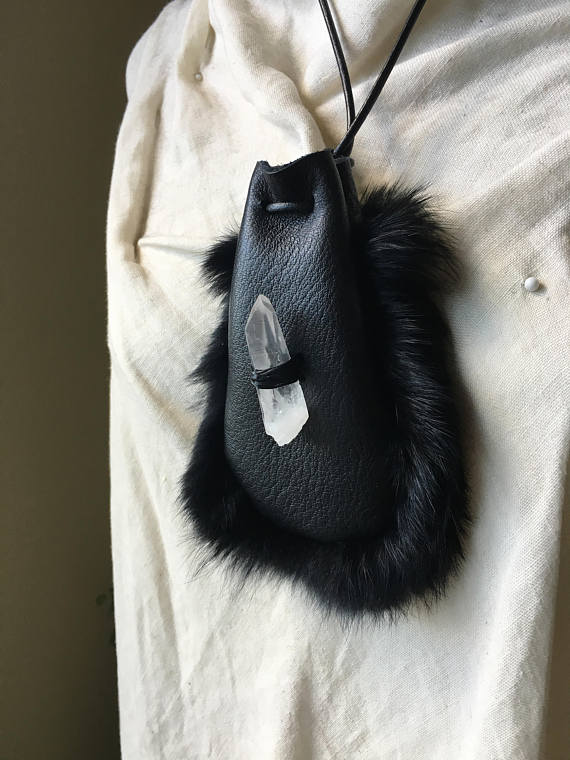
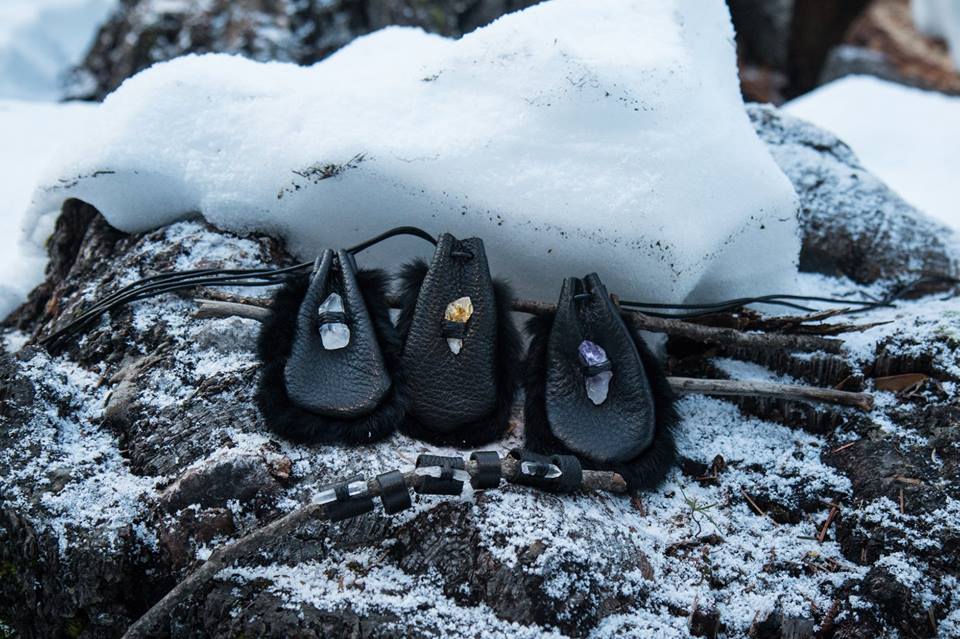
You work a lot with fur, leather, and antler to craft your unique and minimalistic medicine bags, clutches, baby booties (the list goes on!) Can you talk about the experience of working with animal materials and the importance of using ethically sourced supplies?
As mentioned above, I am proud to be using the rare brick-and-mortar domestic businesses to source my leather hides, which extends to rabbit pelts. With big companies taking over so many small family-owned stores in the US, it feels really good to know I’m supporting these smaller companies. I also really like being able to telephone them and speak with knowledgeable staff who care about the products and will call you back if they need to find out answers to your questions, which includes where the animals originate from. One of the stores is right here in Seattle, and this allows me to walk in and physically select the hides/pelts and discuss any concerns with the owners. This makes me feel good passing on what I believe is a high-quality product that is sourced mindfully and with care.

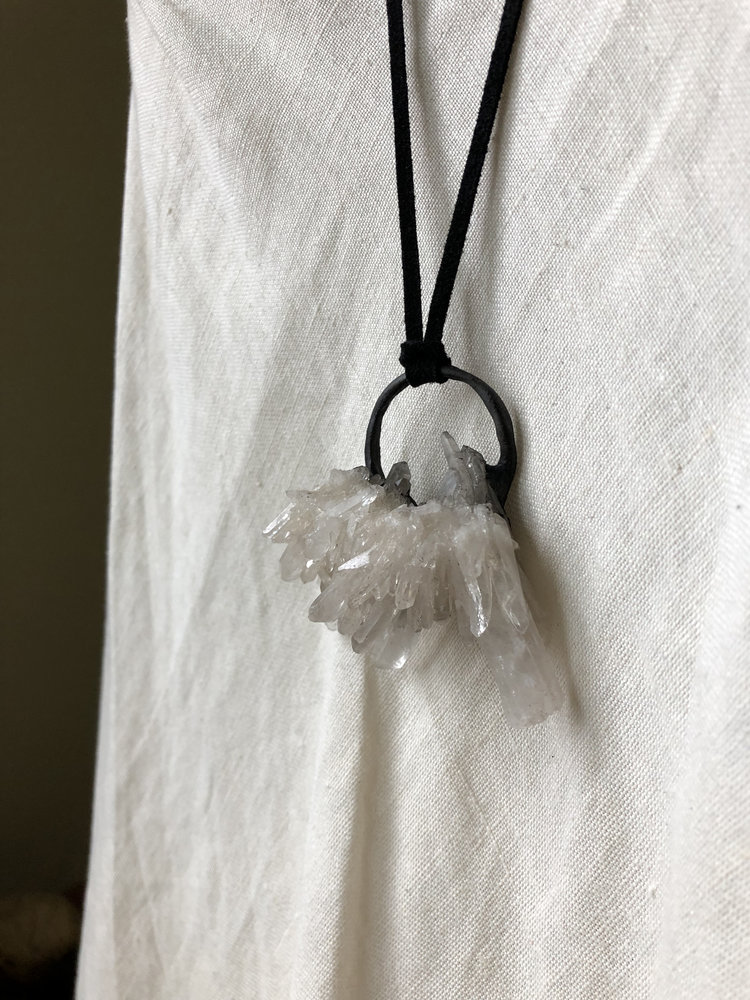

As someone who is very much aware of the effects of climate change in the north, upcycling makes up an important part of the SIGIL ethos. Can you talk about your experience with upcycling and the importance it has for you and the rest of us in 2019? Do you have any upcycling tips you would like to share?
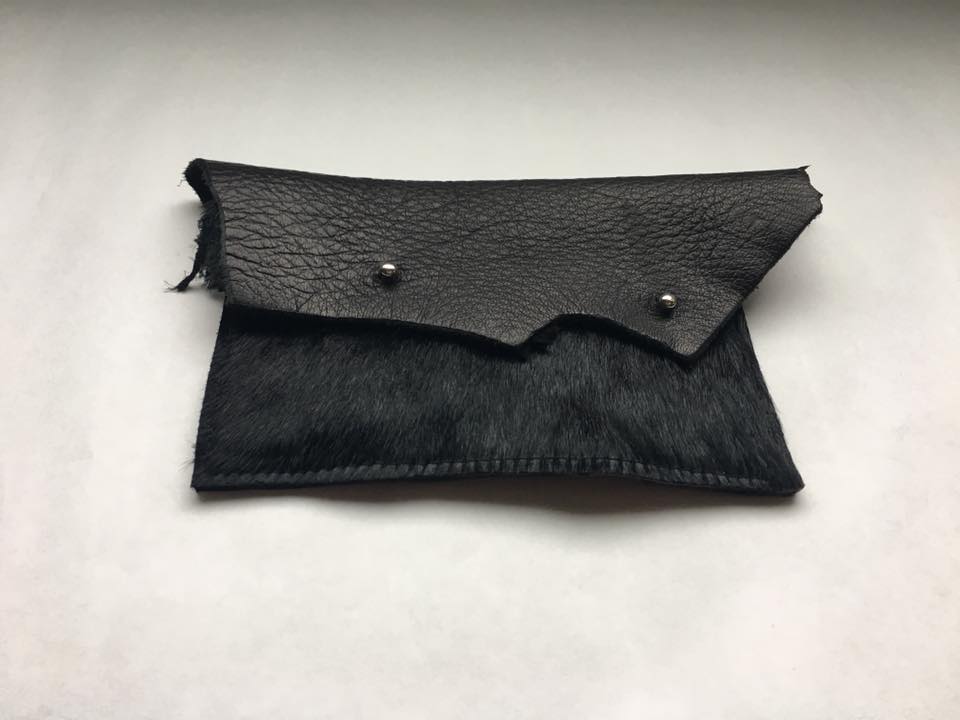
Climate change is something near to my heart, and we are really seeing the effects with smoke-filled skies here on the west coast USA for several months each summer. I’ve also witnessed it in the ice cap over Greenland when flying from Iceland back to Seattle. I am always looking for ways to reduce my footprint, and upcycling is one way. Particularly with leather, I aim to use all of the hide to eliminate wastage. I literally have strips of leather set aside waiting for an art project, so I don’t need to throw them away! So much energy has gone into each hide, that wasting any of it feels like a disservice to the earth, and the animal it came from. Leather is so versatile, and the raw edges inspired me to create raw edge pouches (they also remind me of the southern coastline and black sand beaches in Iceland) and the baby booties!
Whenever I use wool, such as in my wool/leather pouches, I also save my clippings and have created pieces that are smaller versions of original pieces, just by considering how to use what would otherwise be disposed of. I recommend to anyone starting out on a creative endeavour to consider less wastage and have a little fun conceptualizing how to utilize your “scraps”.

I’m madly curious about your life as a creative in Seattle! Would you mind telling us what it’s like to live and work there as a creative woman and business owner?
Seattle has always been friendly to creatives, even as the economy has recently changed with the expansion of the tech industry squeezing out so many affordable spaces in the city. The spirit of creativity is not easily extinguished when you live in such a beautiful region of the world. I am fortunate enough to share a personal space with my life partner, and our space doubles as a creative studio for us both. From my west-facing window, I can see the Olympic Mountains and beautiful sunsets over the Puget Sound, which ushers in ferries coming and going to the nearby islands and Alaska.
If you take some time to gaze out during the busy day, it’s easy to re-center your mind and find inspiration in the nature that is visible from countless places around Seattle. Taking a drive to a hiking trail is often only 30 mins away if you need to find solitude in nature. As far as being a business owner in Seattle, I have found some great resources for small business owners and also teamed up with fellow artists at many vending events. I do a lot of networking and bring SIGIL to new audiences at the many vending events that draw in large crowds. Having a solitary work life, it feels good to get out there and experience these fun events.

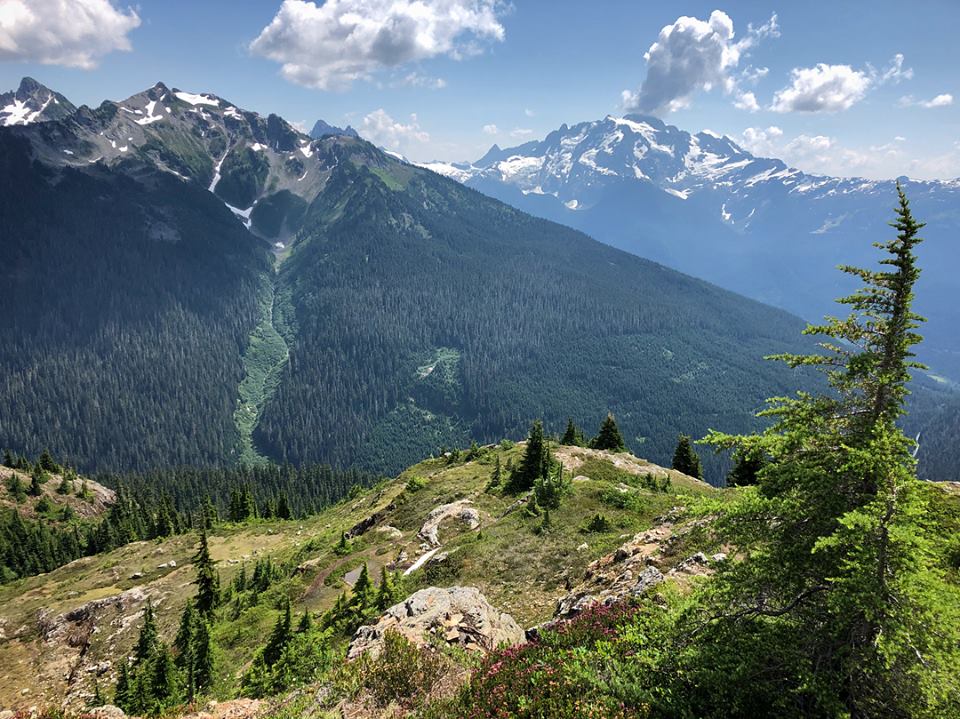
One of the reasons I love to follow you on social media is because it enables me to ‘come along’ on your adventures into the wilderness. I especially enjoy it when you post about the hikes you embark on! Can you talk about one of your all-time favourite hikes and what made it so special?
Chain Lakes Loop trail, in the Olympic Peninsula. If you stop by the ranger station, you can pick up a map and I recommend getting there early. The reason I love this trail is that there isn’t a lot of elevation gain but the visual rewards are high. Expect pristine alpine lakes and epic mountain views, particularly of Mt. Skuksan, which is one of WA state’s most photographed peaks. Don’t forget to fully charge your smartphone or camera, as you’ll be taking more pictures than you can imagine.


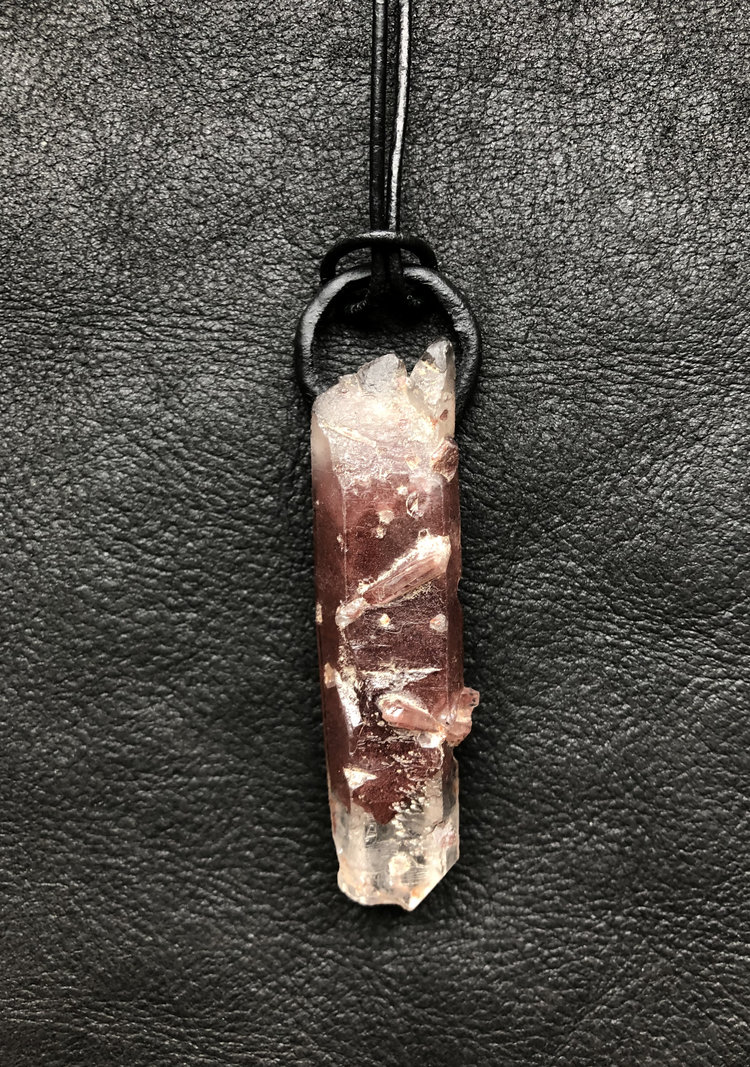
As an experienced hiker, what practical advice would you give to someone heading out into the wilds to ensure they have a safe and unforgettably amazing experience?
Always pack the 10 essentials and plan on bringing more water than you think you’ll need. Stop by or call ahead to the nearest ranger station to learn about current conditions and don’t take risks for that amazing photo. Too many hikers have perished trying to take an amazing Instagram photo, so keep your wits about you. Always heed weather warnings, and let someone know where you are going. Never approach wildlife, and be aware of daylight limitations in the mountains. Where possible, read reviews online as rangers may not be aware of damage that hikers discover on the trail. And finally, always use sound judgement in sticky situations


For anyone making plans to travel to Iceland, what recommendations would you like to pass on?
Thanks to the popularity of Iceland as a travel destination in recent years, there are a lot of resources online for learning about where to go, what to do, and what to know before you go. I recommend booking your flight and accommodation 4-6 months in advance. Icelandair is the primary carrier, and with the demise of WOW air, their second airline company, seats are in higher demand, so book early when possible.
I recommend getting out of Reykjavik if you can rent a car, and driving east along the “Ring Road” (the main highway) and adding 1 or 2 hours extra each day for stopping to take photos. Always follow road signs and rules, not only to be a safe driver to others, but because Iceland driving is likely going to be like nowhere you have driven before. The country is the third windiest place on earth, and you learn this very quickly, especially in the Winter, Spring, and Autumn months.
If you don’t plan on driving, take the FlyBus from Keflavik airport and plan to explore the city on foot, but do allow yourself at least one tour bus trip to the Golden Circle. This is very doable even if you only do a quick stopover trip and have 24-48 hours in the country.


With your roots being in Finland, I’m ever so curious to learn about what aspects of Finnish culture you hold dearest to your heart, and how important is it for you to return home.
Finland is so much a part of who I am, that I am not sure where to start. It really is the one place I can call home, and I am close to my family over there. I was born in London, UK to a Finnish mom and Indian father, yet I grew up immersed in largely Finnish culture for much of the time, while visiting my grandparents for 2 months every year (1 month in summer and in winter).
Like Icelanders, Finns are a hardy people, who have had to work hard to gain their independence (only 101 years ago!) The aspects of Finnish culture that truly mean the most to me include how much the Finns value their connection to nature. Wherever they are, even in the capital city of Helsinki, nature is everywhere, and city planning respects this. Secondly, Finland’s education system is rated the highest in the world. Finns are flexible and believe in placing value in their people, and future generations.

Do you have any favourite influencers also inspired by the north that you would like to tell us about?
Yes! One of my fellow Pacific Northwest-based artists, Ravnvolk. Justin makes amazing wall sconces and one-of-a-kind candle holders inspired by the north. It’s immediately clear how much work he puts into each and every piece, embodying the spirit of old-world craftsmanship. Check out his work at: etsy.com/shop/Ravnvolk

What does the rest of 2019 have in store SIGIL?
This is a very exciting year for SIGIL! I am currently in the planning stages for my first ever Iceland-based photoshoot in Fall 2019! I will be creating more elaborate jewelry pieces in a much larger, statement size and more that are currently in the works – please keep tuned over the next few months!
In your opinion, what do you believe draws people to the north?
There has always seemed to be an intrinsic mystique that draws people to the north, whether it’s remote regions of the globe, such as Greenland, the Canadian Arctic, or any of the 5 Nordic countries. There is a yearning for “getting away” and seeing natural beauty that is largely untouched and breathing clean, glacial air and experience the solitude of a dark, Scandinavian forest. There is a closeness to nature that people of the north innately have, that I think draws many of us, too.
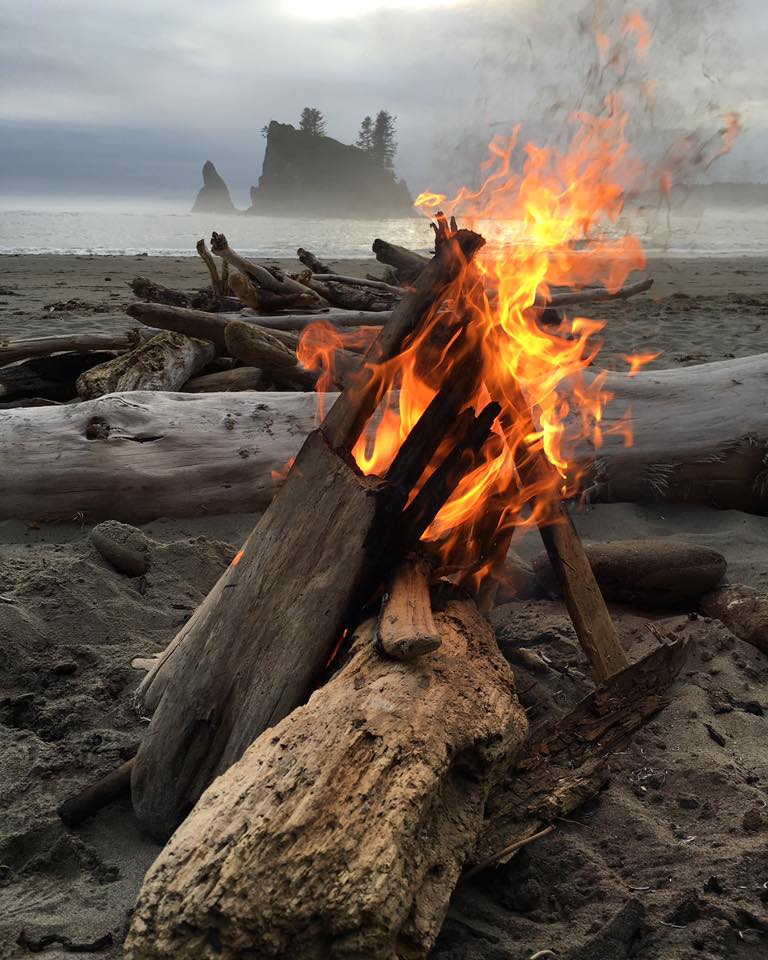
Finally, in three words, what does ‘North’ mean for you?
Formidable, dark, mystical.
All images courtesy of Anita Arora.
Find & Follow SIGIL
Website
Etsy
Instagram
Facebook








 Northern Fever