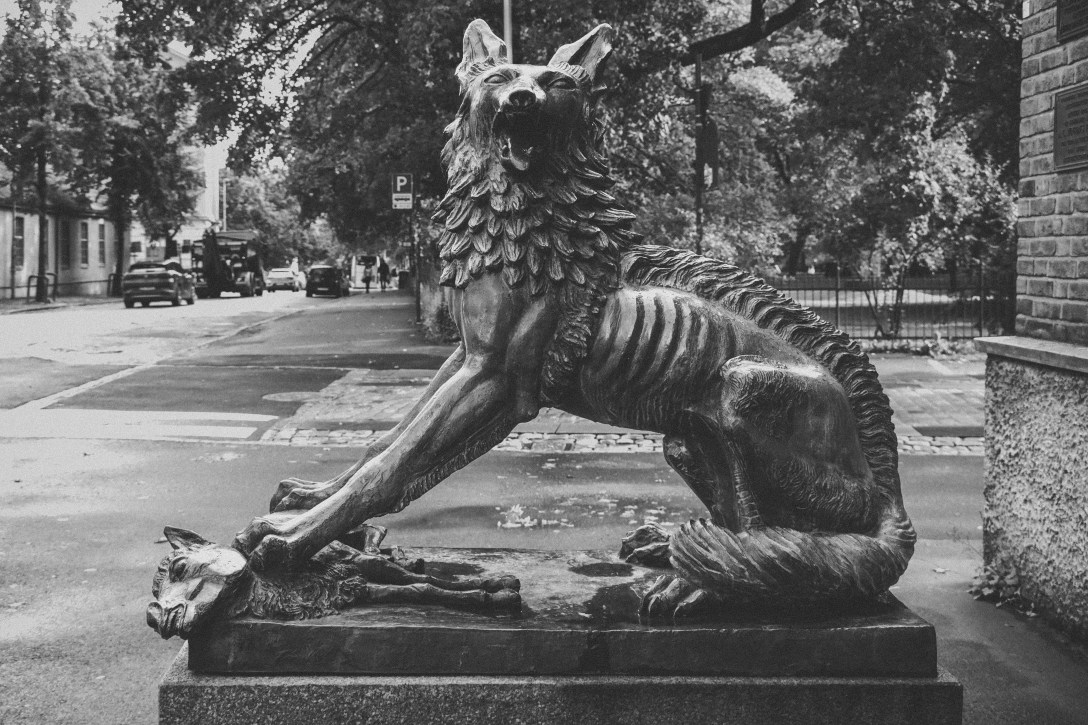
Almost a year ago, I took a trip to Trondheim and, by chance, stumbled across the sculpture Skrubbefar by Norwegian artist Dyre Vaa while trying to Google-map my way around the city. I’ve been meaning to share these photos since the day I took them. In case you’ve ever needed an example of ADHD wielding its power, here it is.
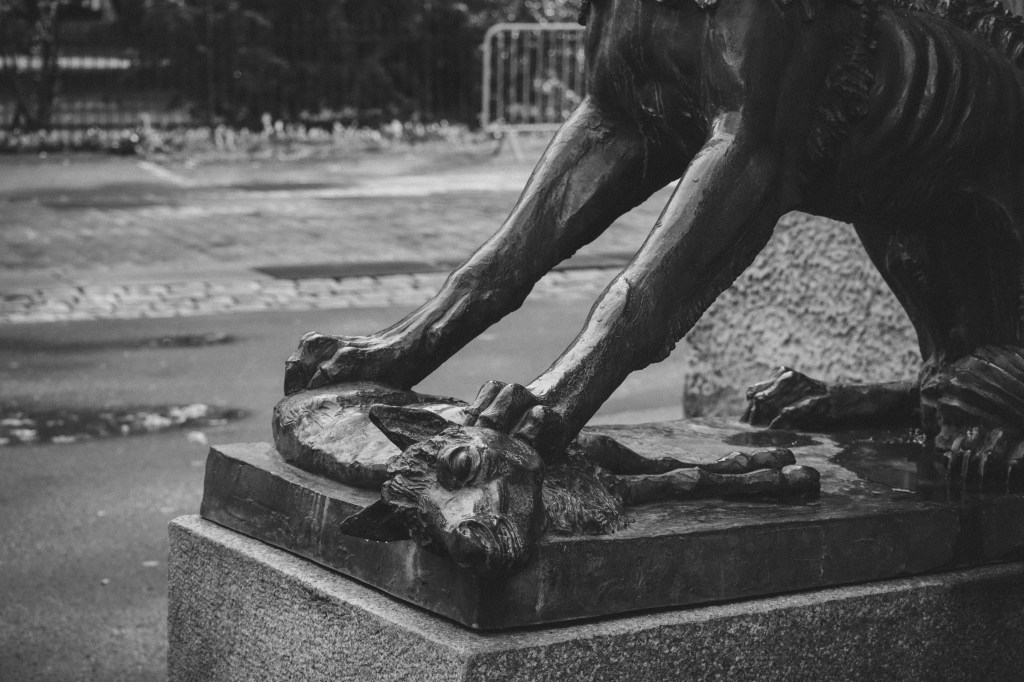
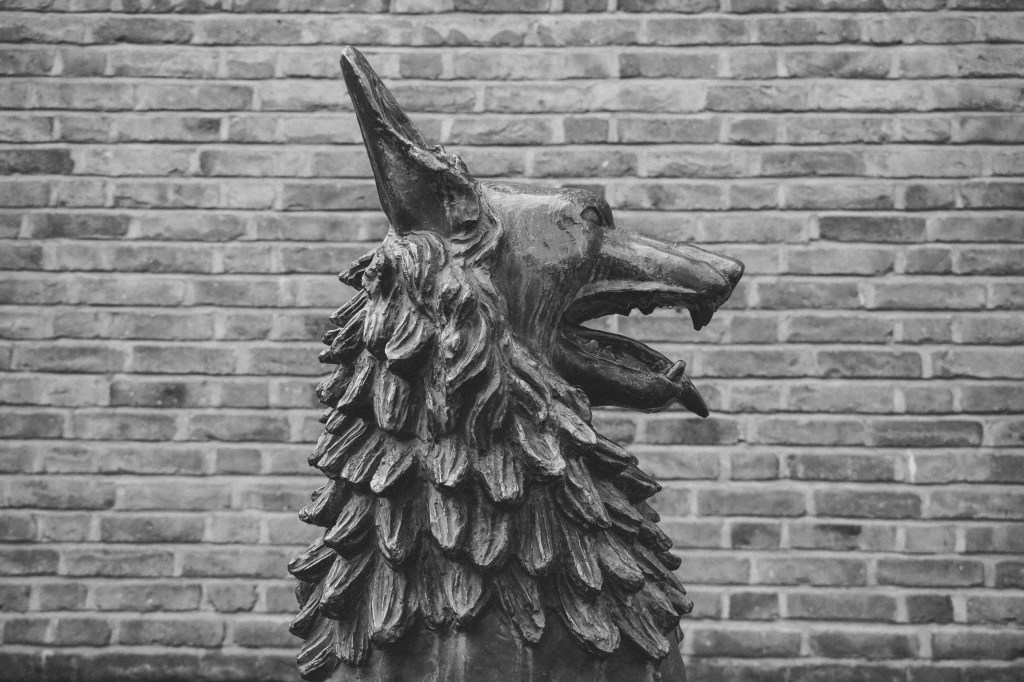
I must have spent about twenty minutes circling the emaciated but still imposing bronze canine that looks like it’s lurked straight out of a folk tale, with those bat-like ears, lustrous mane and lambkin pray. It was one of those encounters where I wanted to shout ‘HEI!’ to every person passing by, gesture wildly to the wolf, and say ‘You seen this?’
Originally created as a plaster piece in 1931, Skrubbefar was cast in bronze in 1970 and has been poised mid-snarl outside the museum ever since.
Thus far, 2024 has been disorientating, exhausting, painful, maddening and swift. So swift. Too swift. Since doing my initial ADHD assessment over a year ago, I’ve been struggling to come to grips with the reality that I’ve been living with this condition my entire life, and it’s only just coming to light as I hurtle towards my 40s. I’ve also been grieving everything that ‘could have been.’ But I’ll write more about this on my other blog awyrdofherown.blog when possible.
Around midnight last night, too tired to read, I flickered around on Pinterest, looking for… I’m not even sure what. At some point, I landed on this knitted cape, leading me toLittle Scandinavian, where I ended up on a post about The Scandinavian School in London, which looked like everything I would want for my daughter in a school, but whose gigantic fees were painful to read. It’s ridiculous, laughable even, that I let the fees of a school in a city where I don’t even live upset me.
I should have gone to bed then but didn’t. My mood was wounded. So I decided to scout out an image for the cover of my next book and ended up on The Public Domain Review – a treasury for the insatiably curious creative – which I combed through for Nordic bounty.
While I furiously bookmarked articles and added, to my already gridlocked desktop, old photographs of Norwegian fjords and Icelandic fishermen, I thought about producing an art appreciation post of some of the stuff I unearthed.
For the longest time, ‘art appreciation posts’ and ‘I-saw-these-things-and-thought-you-might-like-them-too’ posts were the lifeblood of my blogs. But then I gradually stopped making them, and I’ve missedmaking them, and am now on a mission to eradicate the idea from my head that making them ‘is not a good use of my time.’
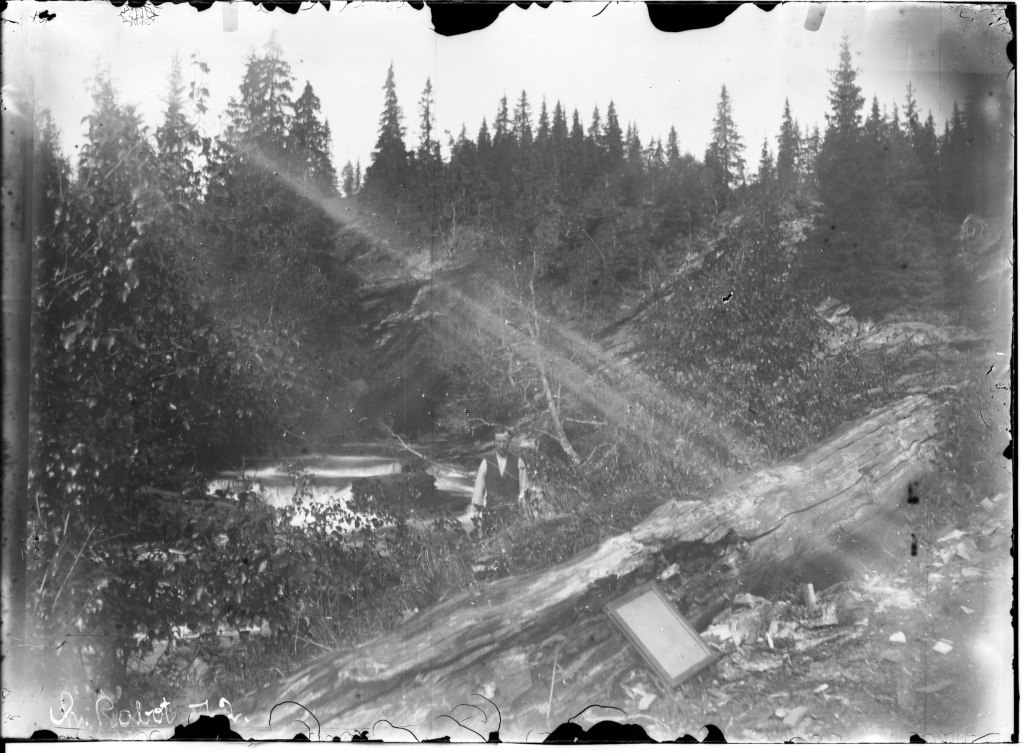
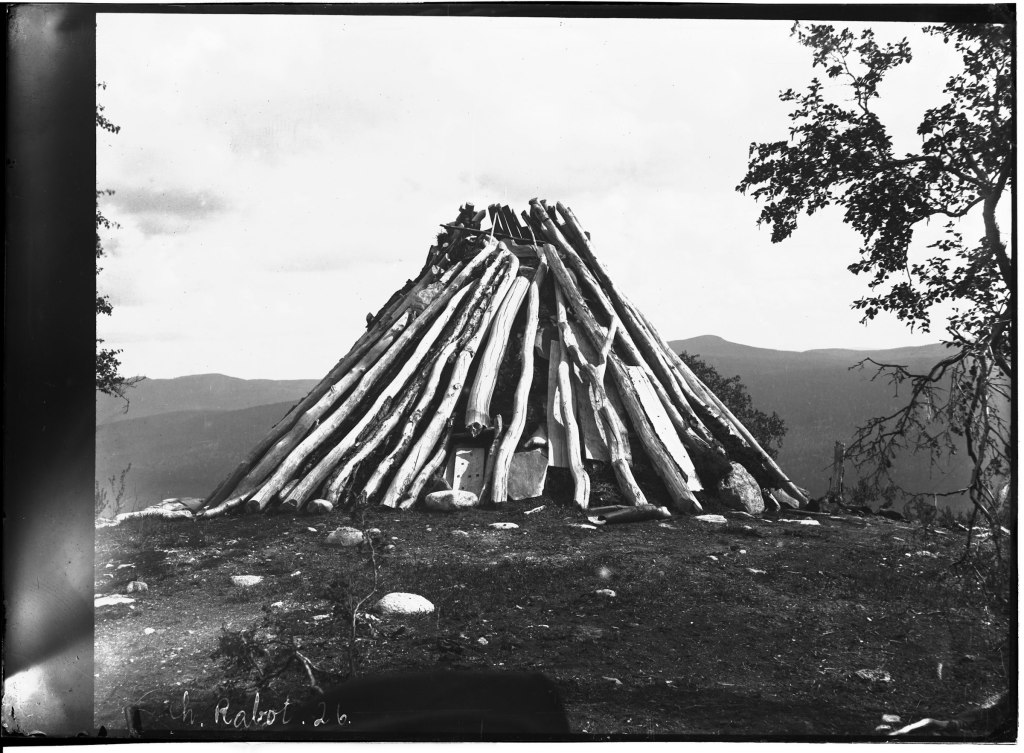
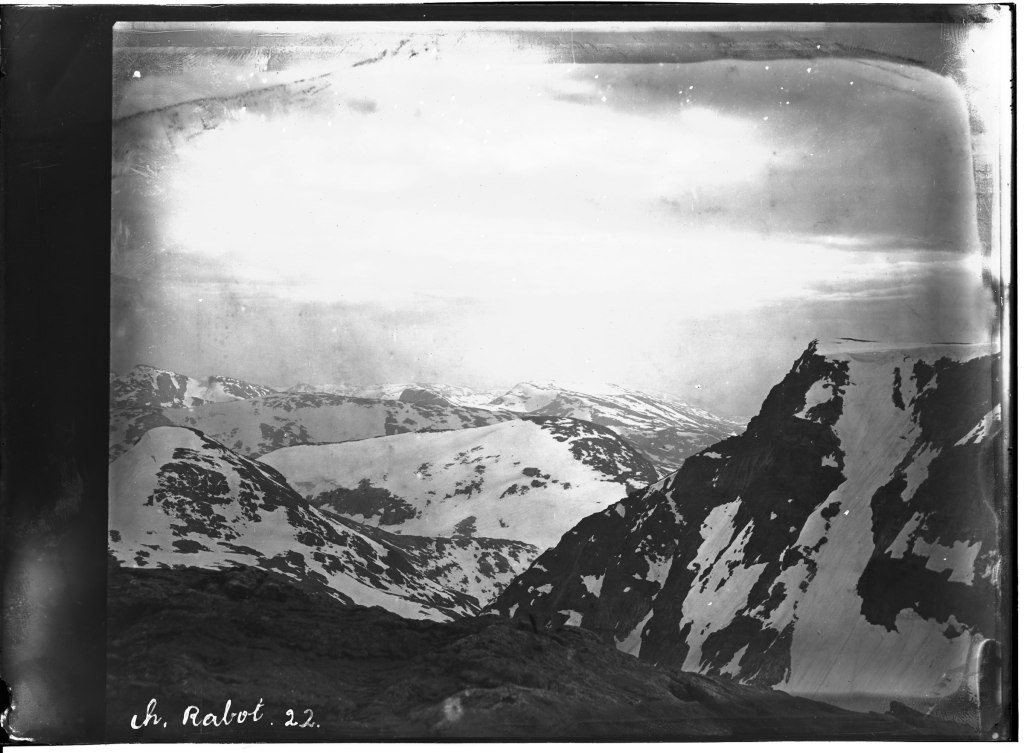
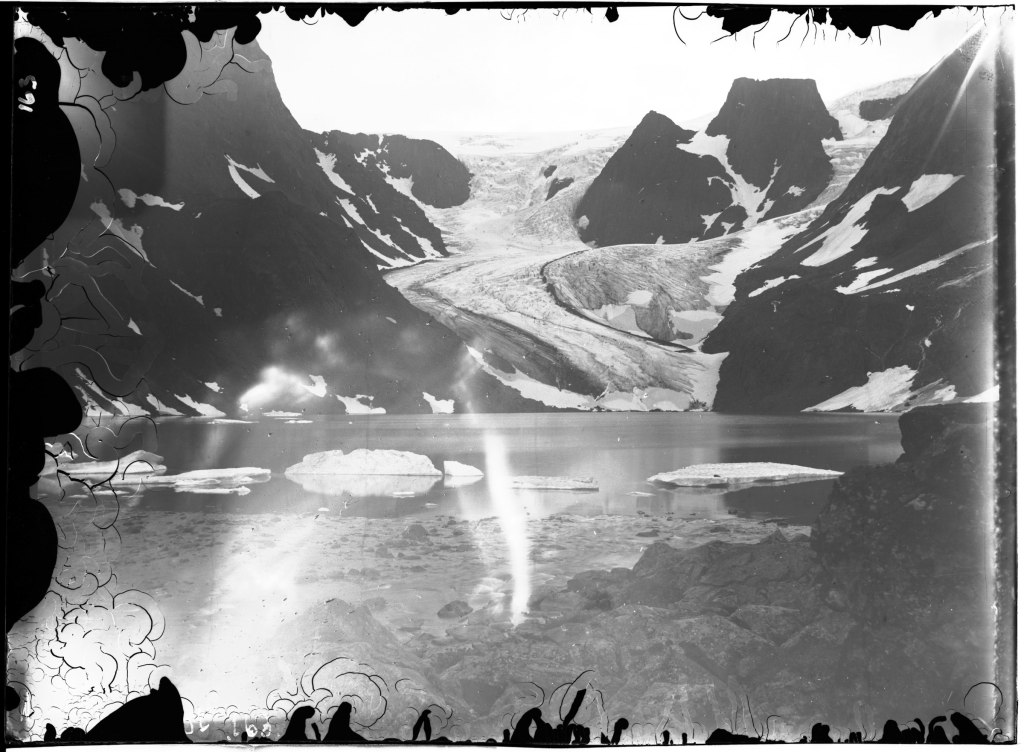
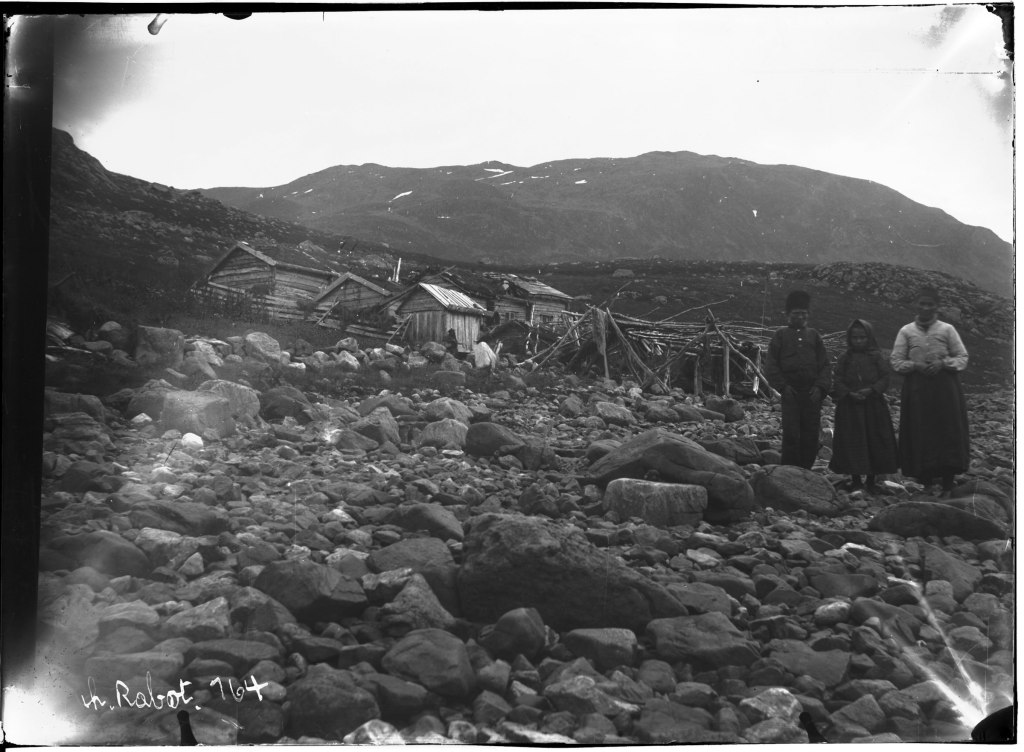
The first thing to catch my attention on The Public Domain Review was this striking, slightly sinister portrait of French geographer, glaciologist, and photographer Charles Rabot. This picture led me to a stupendously readable essay about Rabot by Erica X Eisen (whose other work I’m going to consume with gusto). Rabot had a ‘particular affinity for Norwegian culture…’ and his awe of ‘boral landscapes’ and ‘nostalgic yearning’ for the north is something I strongly identify with:
‘They are so beautiful, so magnificent, those deathly solitudes, so strange in their fleeting finery of brilliant colors, that they always leave one with a burning desire to see them again.’ – Charles Rabot
Eisen’s writing is astute and memorable – the following passage in particular ‘If there are any people to be seen in these snow-pied expanses, they are tiny afterthoughts so overwhelmed by the whiteness around them that any individuating features are obliterated completely — to the extent that these figures seem less like the protagonists of the shots and more like another accidental void bitten into the negative by the frost.’
The first person to climb Kebnekaise, Sweden’s highest mountain, in 1883, Rabot was also friends with the most swoon-worthy of Norwegian explorers, Fridtjof Nansen who’ll be much more thoroughly swooned over in another post where I’ll look at the bizarre but beguiling topic of fancying long-dead polar explorers.
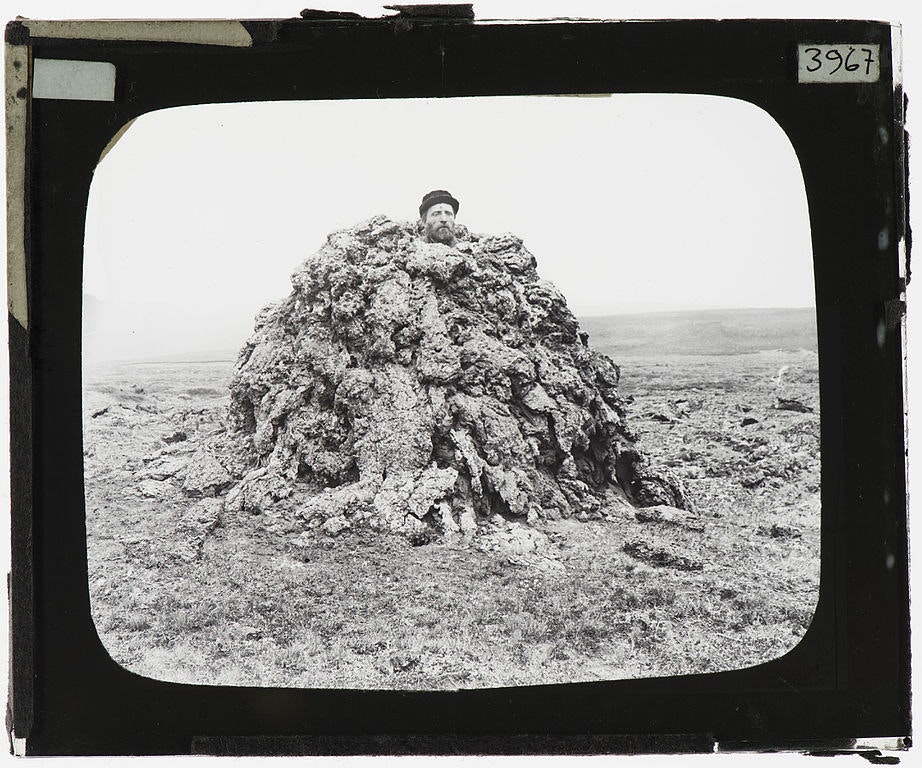
When I searched Iceland on The Public Domain Review, ‘ volcano chaser and pioneer of volcanic photography,’ Tempest Anderson showed up with one of the most gloriously surreal photographs I’ve ever seen.
Very much intrigued by the name Tempest, I was convinced there’d be a riveting origin story, so was a bit put out to find it was simply inspired by a prominent West Yorkshire family.
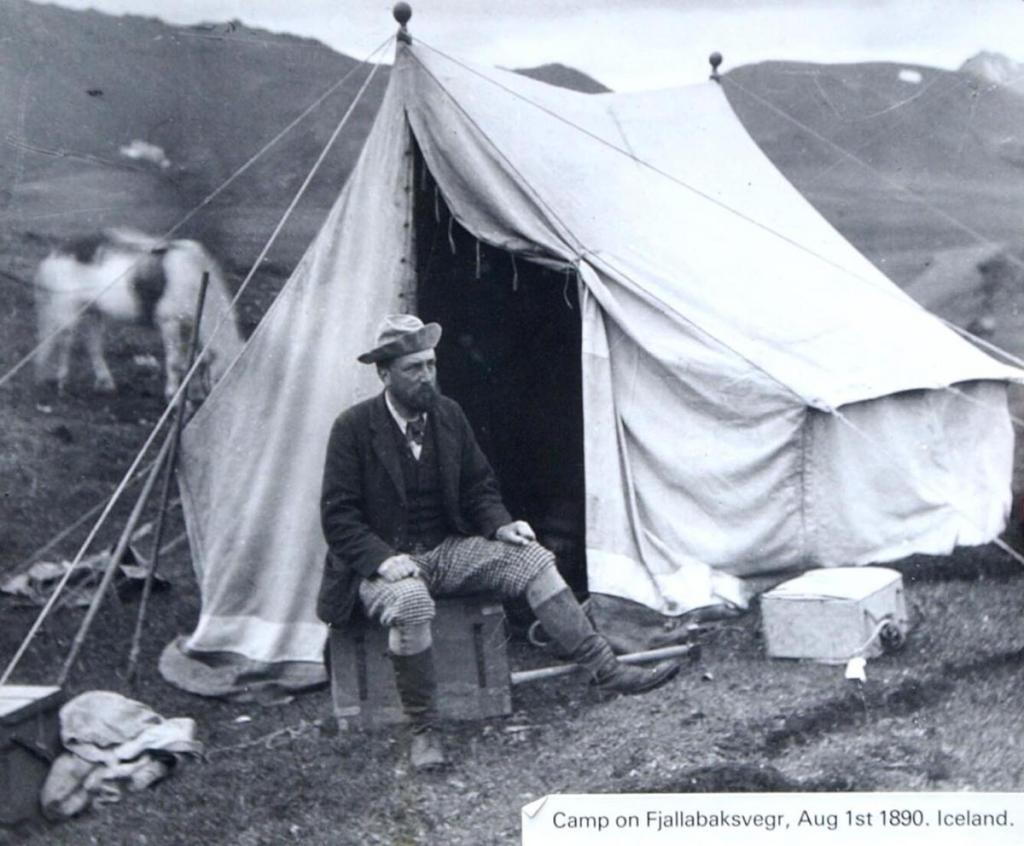
Yet there’s no doubt the man led a life not dissimilar to a windstorm—his list of occupations and accomplishments is…extensive. York-born and bred Anderson was a leading eye surgeon as well as a photographer, an inventor of photography equipment, a consulting physician to a lunatic asylum, a prison medical officer, a Sheriff of York… the list ploughs on. At 43, unmarried and restless, Anderson decided he’d use his spare time to study volcanology and chase volcanic eruptions. The photographs he shot in Iceland were taken using one of the earliest panoramic cameras, which, unsurprisingly, Anderson had developed himself.
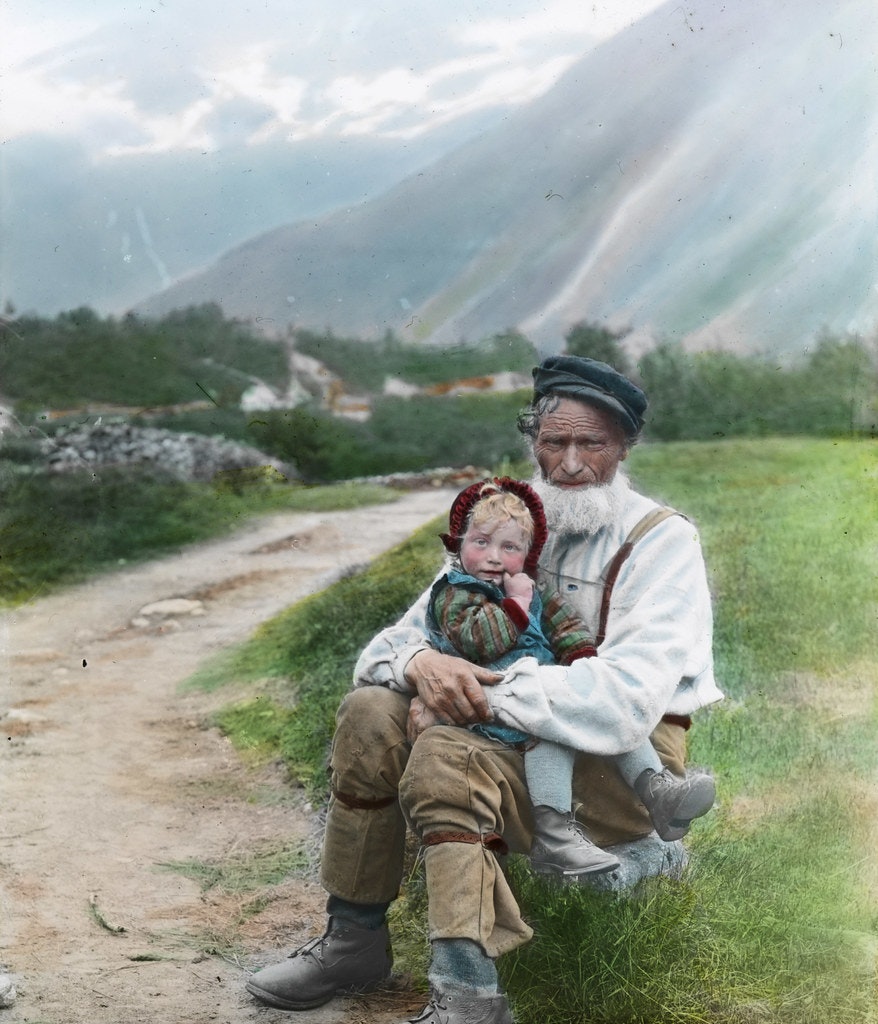
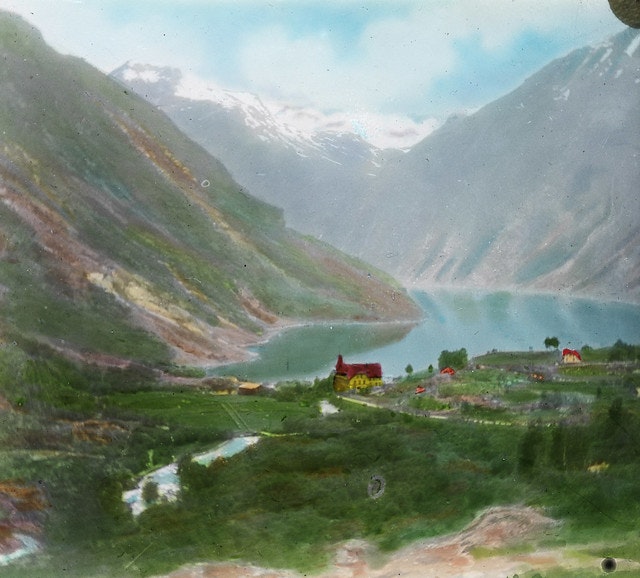
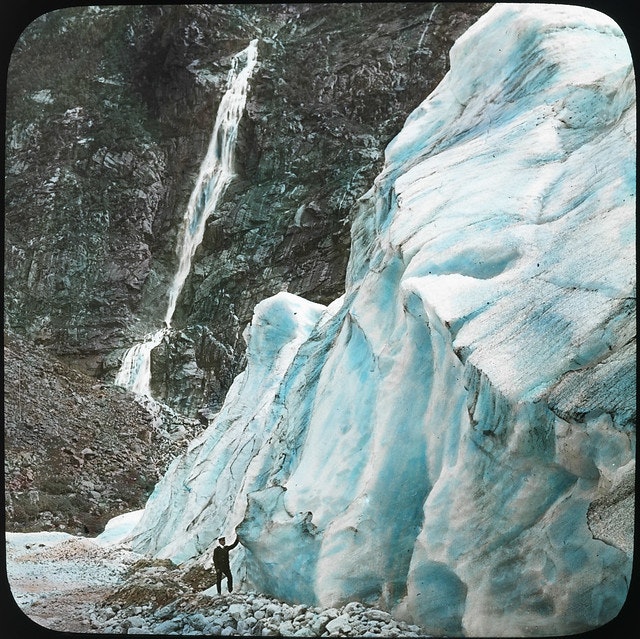
I’ll keep coming back to look at these lantern slides depicting Norway from the early 20th century, and I know each time I do, they’ll thrill me all over again. By the way, for full disclosure, I had to Google what a lantern slide is.
Lantern slides are positive, transparent photographs made on glass and viewed with the aid of a “magic lantern,” the predecessor of the slide projector. Lantern slide plates were commercially manufactured by sensitizing a sheet of glass with a silver gelatin emulsion. The plate was then exposed to a negative and processed, resulting in a positive, transparent image with exceptional detail and a rich tonal range. – Constance McCabe (National Gallery of Art.)
Produced by British photographers Samuel J. Beckett and P. Heywood Hadfield in my favourite part of Norway – Sogn og Fjordane (now known as Vestland) – these bold, crazily vivid lantern slides are held at the county archives in the fjord village of Leikanger, somewhere I’m going to absolutely seek out when I’m next over by way of the Sognefjord. Right now though, I’d very much like to know what the woman on the steps was thinking when this picture was made. Also, image 4 – haunted to my core.
Hadfield was a surgeon on a ship cruising the Norwegian fjords and an amateur photographer in his free time. Little is known about Beckett, but copies of books by both men (The Fjords and Folk of Norway by Beckett and Fjords of Norway A Cruise On The SS Ophir by Heywood) are available on Abebooks and eBay and are very kindly priced for books printed well over a hundred years ago.
More Recommended Reading From The Public Domain Review
On my first excursion to Norway in 2008, I arrived in Oslo in the very early hours of Syttende Mai, Norway’s National Day. After sleeping for a couple of hours – I was too revved up for more than that – I staggered outside and into the company of thousands of Norwegians, who’d journeyed the length and breadth of their homeland, to congregate in the capital and celebrate their country’s independence.
No matter which way I swivelled my head, I got an eyeful of bunad, Norway’s national costume. I’m sure I was unintentionally captured in family photographs snapped in front of the Royal Palace, wide-eyed, slack-jawed, bedecked in a Burzum shirt and a black leather jacket, looking laughably out of place amidst the radiant bunad wearers.
When someone puts on a bunad, it would seem magic happens. A bunad has the potential to transform a typically demure person into someone unrecognizably exuberant. It brings about shared feelings of togetherness, elation and pride. When I saw my first bunad, it pretty much immediatly shifted my dogged mindset – I used to recoil at the idea of wearing anything that wasn’t black – and left me with a hankering for one of my own.
“When it’s not easy to explain where you’re from, wearing a bunad shows where you’re heart is.”
Unni Irmelin Kvam
The beginnings of the bunad movement can be traced back to when, after years of rule under Denmark and Sweden, the Norwegians were in search of a national identity. Bunad – the word originates from the Old Norse búnaðr – was developed, ‘as a way to show a national mindset,’ to celebrate Norway’s freedom, and as a way of displaying Norwegian heritage.
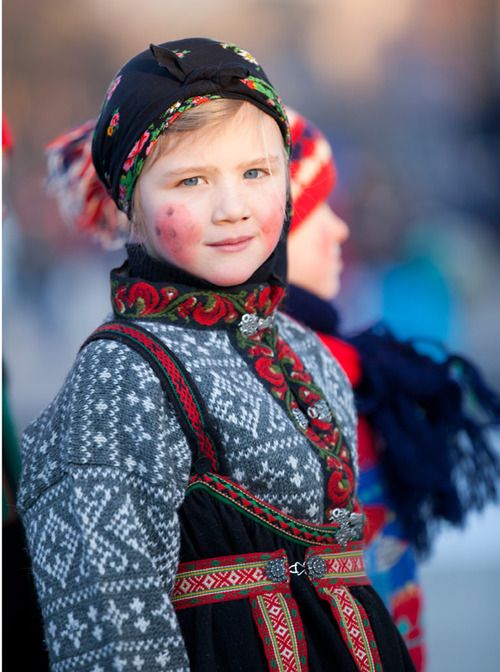
A bunad – of which there are as many as 450 regional variants – is a unique and complex piece of clothing usually consisting of a shirt, a shift, the main woolen dress, and an apron. There are accessories including bags, stockings, shoes, scarves, shawls, and hand-made silver or gold jewelry known as sølje.
Designed to last a lifetime, a bunad is typically passed down through the family. The importance of its role as a family heirloom means it’s imperative it’s kept in pristine condition. One woman who’s mother’s bunad was damaged by moths was especially innovative and transformed the costume into cushions. The intricate detailing of a bunad has a story, which, as author Unni Irmelin Kvam says in her excellent Ted Talk, The Story Of The Norwegian Bunad ‘speak volumes if you know how to read it.’
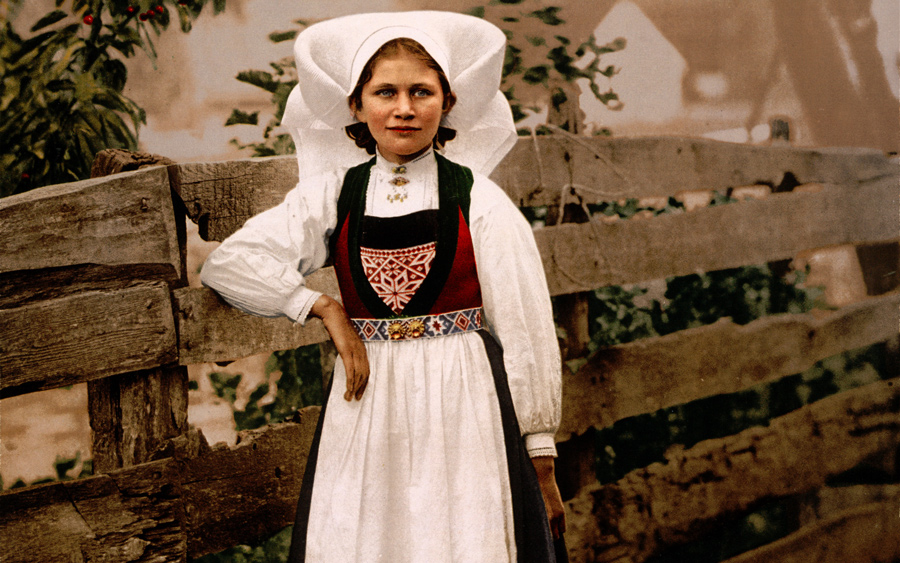
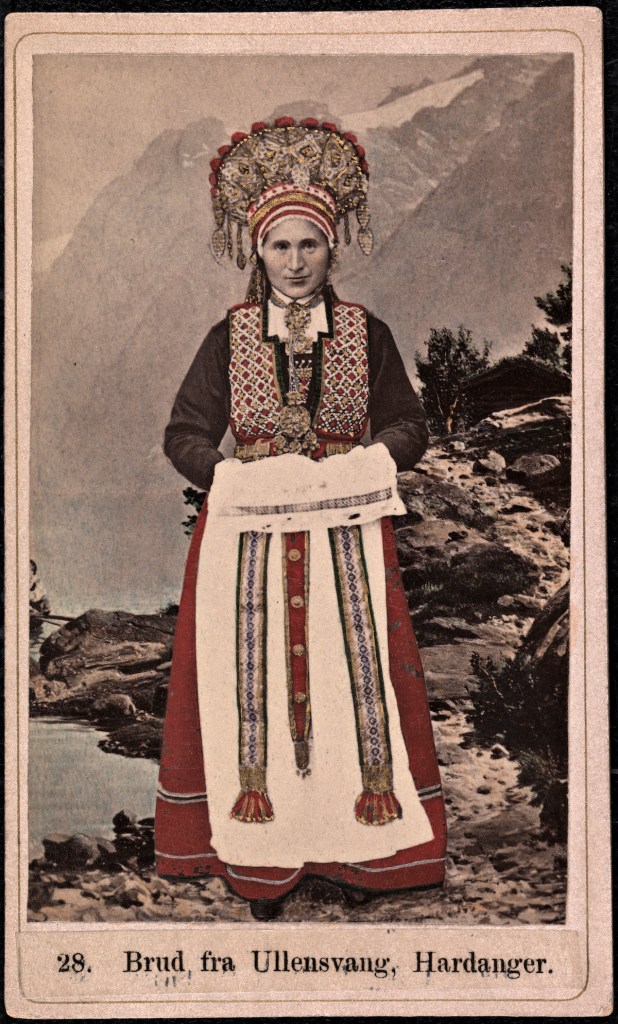
Hardanger Bunad Photo Source: familysearch.org
In Norway today, there’s a bunad to be found tucked away in practically every wardrobe or attic. The estimated value of the bunads – a completed bunad costs in the region of 50.000 Norwegian kroner, about £4000 – is said to be around 30 billion Norwegian kroner.
The cost of a bunad depends on the design, the material used, the embroidery, and jewellery, as well as who actually makes it, whether it’s a renowned company, a local sewer or the person themselves. There’s a market for bunad in China. ‘China Bunad’ are made for a fraction of the cost of a traditional bunad, but it goes without saying, as they’re ‘not the real thing,’ that they won’t last a lifetime.
Photo: Laila Duran
For someone making their own bunad, the process can take upwards of a year. It’s long been tradition for parents to gift their children with a bunad for their confirmation at the age of 15. With the dresses, there’s always extra fabric in the seams so it can be altered as the wearer grows.
Silver, a metal which in Norway is steeped in legend and superstition, is an important part of the bunad. In days gone by, Norwegians used it to protect themselves against bad weather and illness. There are also tales of silver brooches being pinned on children’s clothing so trolls wouldn’t swap them for one of their own.
Marcus Selmer
Marcus Selmer
Marcus Selmer
It’s common, though not by any means mandatory, for bunad to be worn at weddings, baptisms, Christmases and birthdays, basically any major life event. However when Syttende Mai comes around, it’s expected the bunad will be brought out of storage and worn.
The Hardangerbunad is known as the ‘first bunad,’ and is renowned for its red body and white apron. It became known as ‘the national’ in 1905 and spread throughout the country. It was commonly used to represent Norway, but recently the East-Telemarkbunad has taken its place. Many people say Telemark has the most ‘Norwegianest’ bunads.
“If someone tells you you’re not Norwegian enough to wear a bunad that person is prejudiced and simply wrong.”
Unni Irmelin Kvam
There are dozens of ‘unwritten rules’ about the acceptable way to wear a bunad, and it’s expected that your bunad represents an area that you’re strongly connected to.
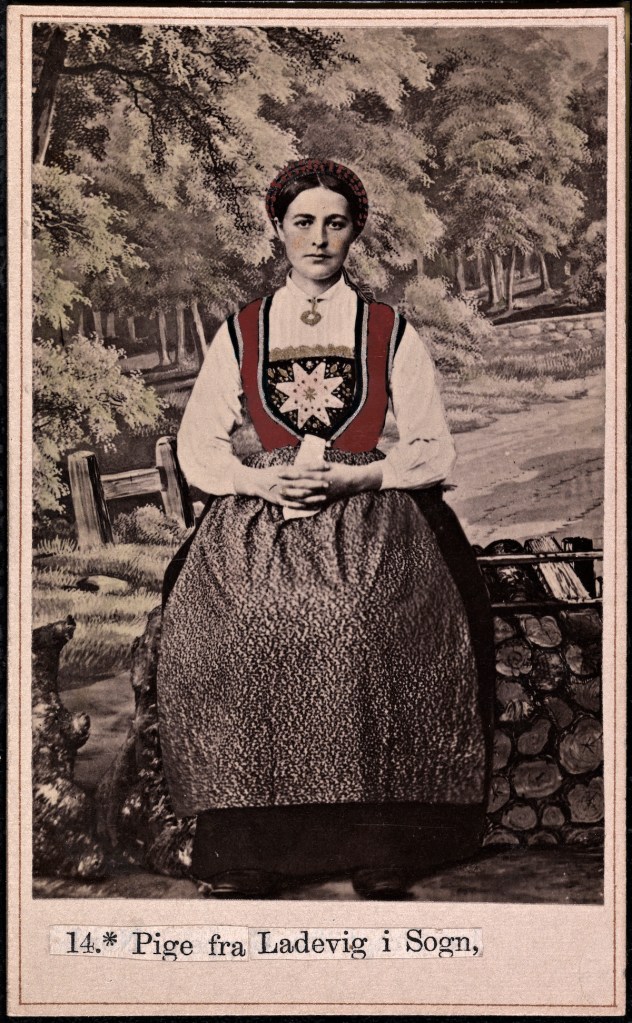
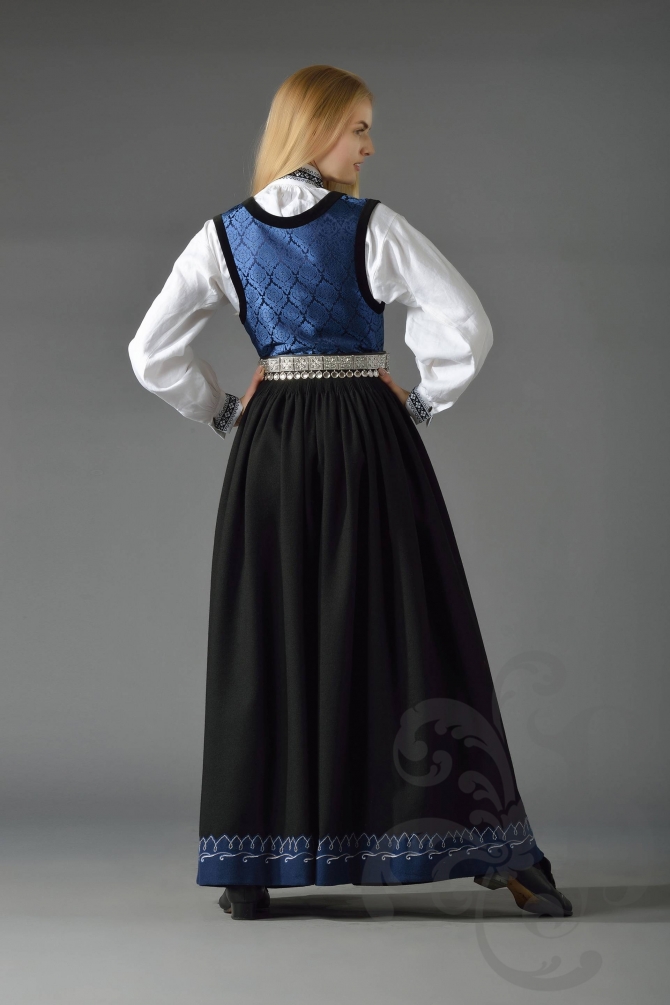
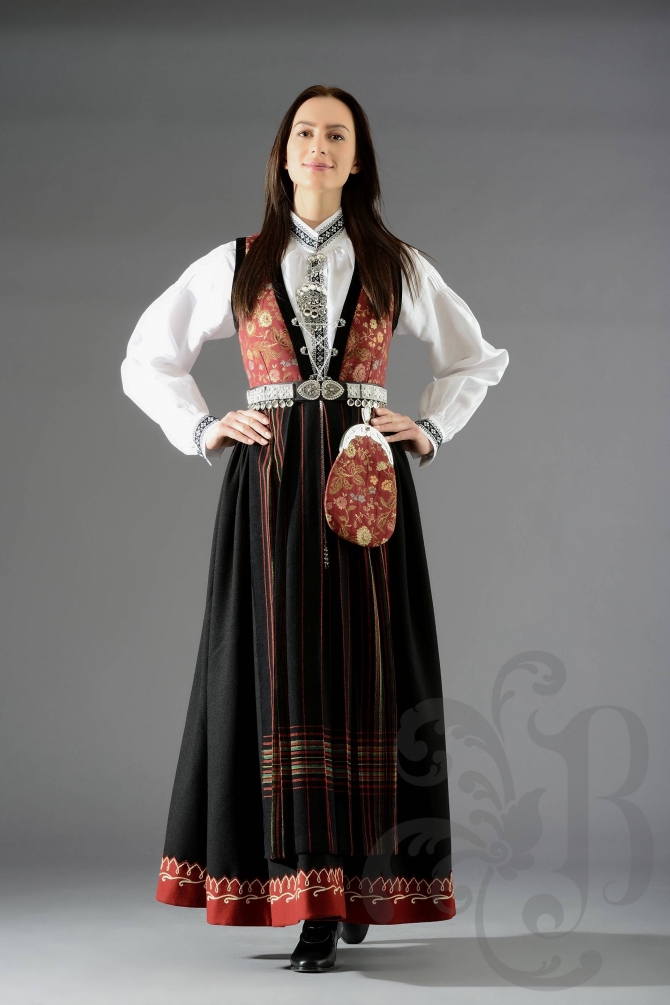
Sognebunad. Photo: Norskebunader.no
Sognebunad. Photo: Norskebunader.no
Sognebunad. Photo: Norskebunader.no
Sognebunad. Photo: Norskebunader.no
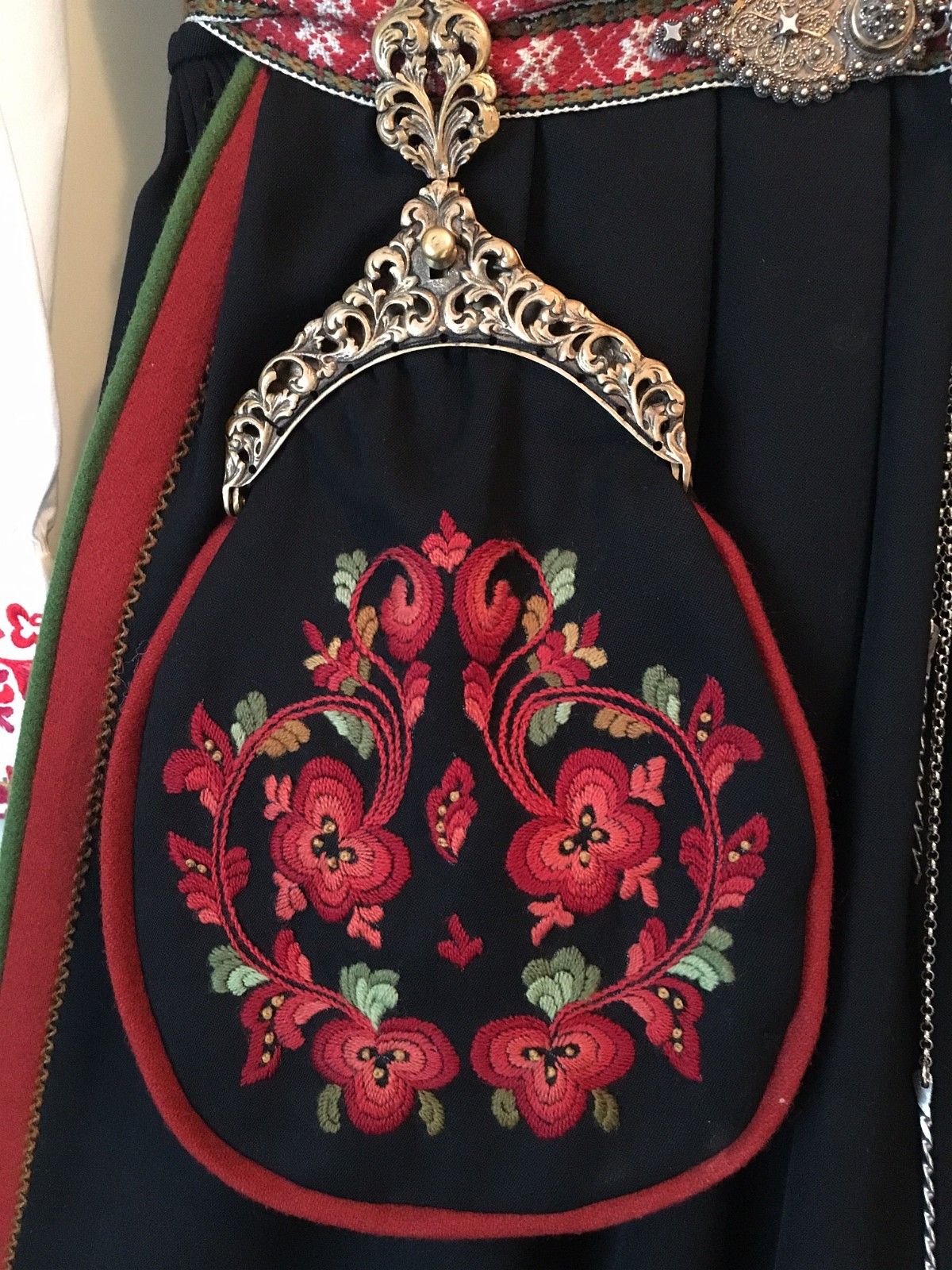
Embridery detail and jewellery from s Vest-Telemark Bunad. Photo: Finn.no
Vest-Telemark Purse. Photo: Finn.no
Hardangerbunad
Women should accompany their dress with proper bunad shoes and purses. Sunglasses are frowned upon and heavy makeup is discouraged. There are even groups of people referred to as the ‘bunad police,’ who say bunads must be sewn and worn according to the strictness standards. To counteract this, there are folk who make ‘fantasy bunads’ by mixing and matching the styles.
Hardangerbunad.
There is much I haven’t talked about with regards to bunad, as I’m actually working on a much longer piece about its role in Norwegian culture. I haven’t for example, told you about Hulda Garborg or Klara Semb, two women who dedicated their live to bringing bunad into the Norwegian mainstream. But hopefully this post has inspired you enough that you want to go and investigate for yourself the part they played in the history and rise of bunad.
It’s been over a decade since I first went to Norway. I don’t have a bunad yet, but I have my heart set on the Sognebunad (the one in the slideshow) because, of all the places I’ve visited in Norway, whenever I go back my heart says ‘I’m home.’
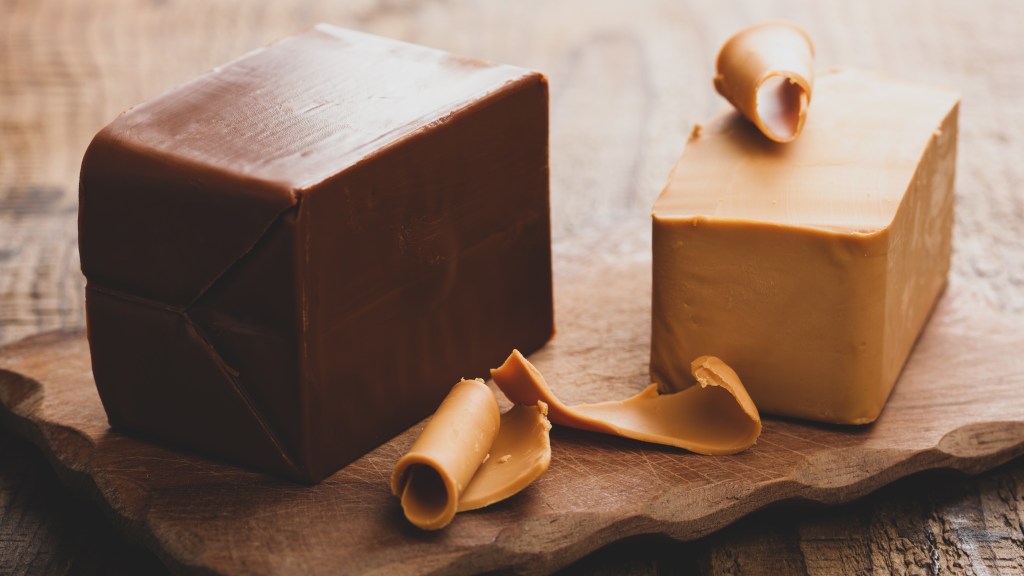
Thirteen years have hurtled by since I first went to Norway and had my first mouthful of brunost (brown cheese). From the get go, I was dead set on eating like a local. For breakfast at least. Lunch and dinner was typically pesto and pasta or cheap muesli. You know the kind – more dust than anything else. Though I found tykk-lefse med kanel (a thick flatbread spread with a sweet cinnamon butter) to be graciously affordable, so that was consumed regularly too. Perhaps too regularly. I grew sick of it after two weeks. Note: My relationship with tykk-lefse med kanel has been rekindled in recent years and we’re solid these days.
Anyway, brunost. To make Norway’s favourite cheese is straightforward and involves boiling the water from the whey of goat’s milk for several hours until the water evaporates. This caramelizes the sugar, giving the cheese its distinctive tan colour and caramel (debatable) flavour. What’s leftover from the process is left to firm up (though it isn’t massively firm, it’s akin to soft fudge) then it’s more or less ready. Like other cheese – though brunost isn’t technically a cheese – there’s no maturation needed.
I bought a block of brunost with the happy thought it would see me through the next few weeks of breakfasts and snacks. Having read about it before embarking on my Norwegian odyssey, I was certain I’d enjoy its ‘distinctive caramel flavour,’ because I love caramel. Who doesn’t love caramel? But my tastebuds had other ideas.
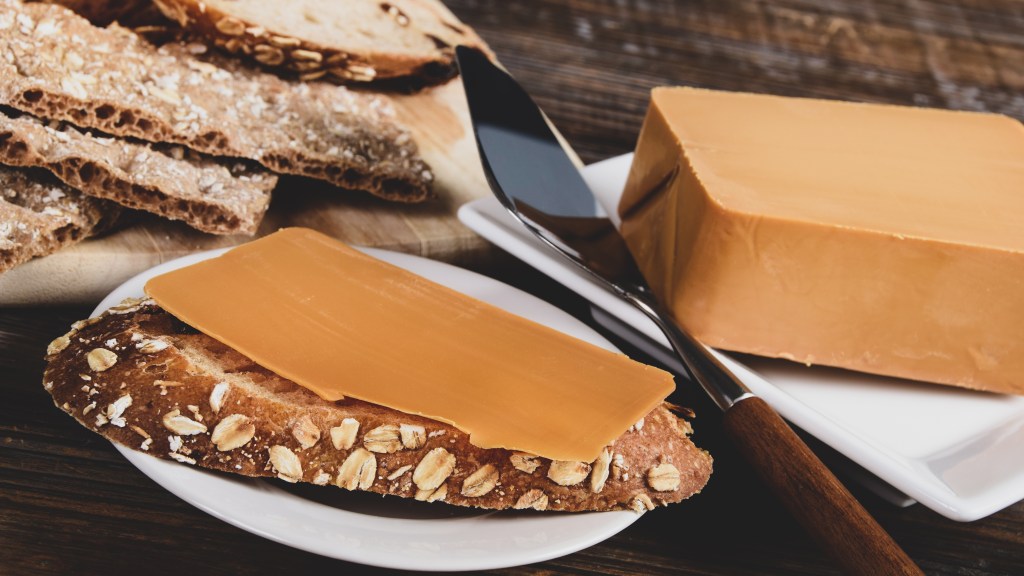
I ate it like the Norwegians do; thinly sliced with jam and fresh bread (though they also eat it with crispbread or waffles) but, despite its delectable creaminess, the actual taste, best described by another blogger as ‘salty goat’s fudge,’ wasn’t all that pleasing. Needless to say, I was distraught.
I tried it again later in the day, then again the next morning, determined to enjoy it, and not only because I’d paid nearly ten pounds for it. I can’t remember exactly what happened to the block – I was staying in a guest house at the time – I think I might have stuck a note on it and said anyone who wanted it could help themselves.
I haven’t given up on brunost though. Far from it. I’ve only eaten one variety – and there are many – and I’ve only tried it on bread and with jam. There are countless other ways I could eat it. I could make into a sauce for pancakes, add to gingerbread or use it in – Scandi Kitchen came up with this – mac’n’cheese.
When I was living in Sweden, I would eat something similar to brunost – though it was a soft and sticky spread instead of a firm-ish ‘cheese’ – called messmör. It was similar taste wise to brunost, just a bit sweeter and milder. After a few years of eating it, smeared almost transparently on bread, I found myself looking forward to it, and towards the end of my time in Sweden, would slather it on so thick you couldn’t see there was a slice of bread underneath.
Brunost has caused some controversy in recent years. Despite containing calcium and Vitamin B, due to its high sugar and fat content, one municipality considered banning it in schools. Whether this went ahead or not, I’m not sure, but I do like the idea of kids revolting against the banning of their salty goat’s fudge.
In this weekly post, I collect all the need-to-read arctic related things that I’ve found over the past several days, and put them here in a handy bundle of links for you to pick, click and read.






















 Northern Fever